Tuesday, November 29, 2011

A day in the life: Clare's Food for a Day

A day in the life

As health practitioners, we are always talking to patients about ways of cleaning up their life to make healing easier. Making dietary changes is one of the big topics that comes up in most consultations. The main things we're talking to patients about is cutting down or cutting out booze, coffee, sugar, processed foods. Sometimes when patients are showing signs they may be a candidate for metabolic syndrome and type II diabetes we suggest a month of resensitising themselves to insulin - by cutting out grains, fruit and sugar for a month. For people who have muesli or cereal for breakfast, sandwich for lunch, pasta for dinner - a diet without grains would seem impossible.

Well for me, it's the daily standard. I have gluten intolerance, and a slightly unhappy thyroid gland, which makes me a prime candidate for a very low grain diet. I eat plenty of vegetables and get my carbohydrates from veggies and small amount of fruit. If you want some ideas about what you can do if you're not eating a wheat based product - check out what my typical day of food looks like.

As much as it may be tough to have someone tell you to cut out on x,y,z from your diet, make sure it's something they have done themselves so they know what they're talking about. Some may hate me for it, but yes in my case I do walk the walk as well as talk the talk!! It is indeed possible to live a happy and full life without caffeine, alcohol, sugar or bread.

So what did I actually eat last Tuesday?

Tuesdays are a busy day for me, and one of the worst nutritional days of the week for me for this reason. It's my one day at clinic that I finish late, so I like to give myself a bit of a sleep in. I wake up around 8am, do my morning yoga, make breakfast and get ready for work. I always have a cooked breakfast, I find it sustains me really well throughout the morning and into the early afternoon. On this particular day, I ate an egg, some bacon, mushrooms, sundried tomatoes, a roasted artichoke and some cucumber - all cooked in extra virgin coconut oil NOT olive oil. A pot of liquorice tea helps to support my adrenal function, and you can see my other powdered supplements there that I take each day - a magnesium drink and a zinc+vit c combo.

Women's multi, CoQ10, Vitamin D, a general probiotic (nothing out of the ordinary so far), Adrenal Gland extract, chinese herbal formula Rehmannia Six (Liu wei di huang wan), and a thyroid support supplement. Phew, what a list!!

Then I head into work for the day, starting around 11am. On this particular day however I left my lunch behind, so emergency lunch it was. I popped over to the local supermarket and picked up some salad, some smoked salmon and a yummy mustard/balsamic dressing. Out of the 10s of brands on the shelf, it was the only one that was sugar free - it's such an eye opener to read your labels before purchasing food items. If you're not already a label reader, you should start, so that you can become a conscious consumer.


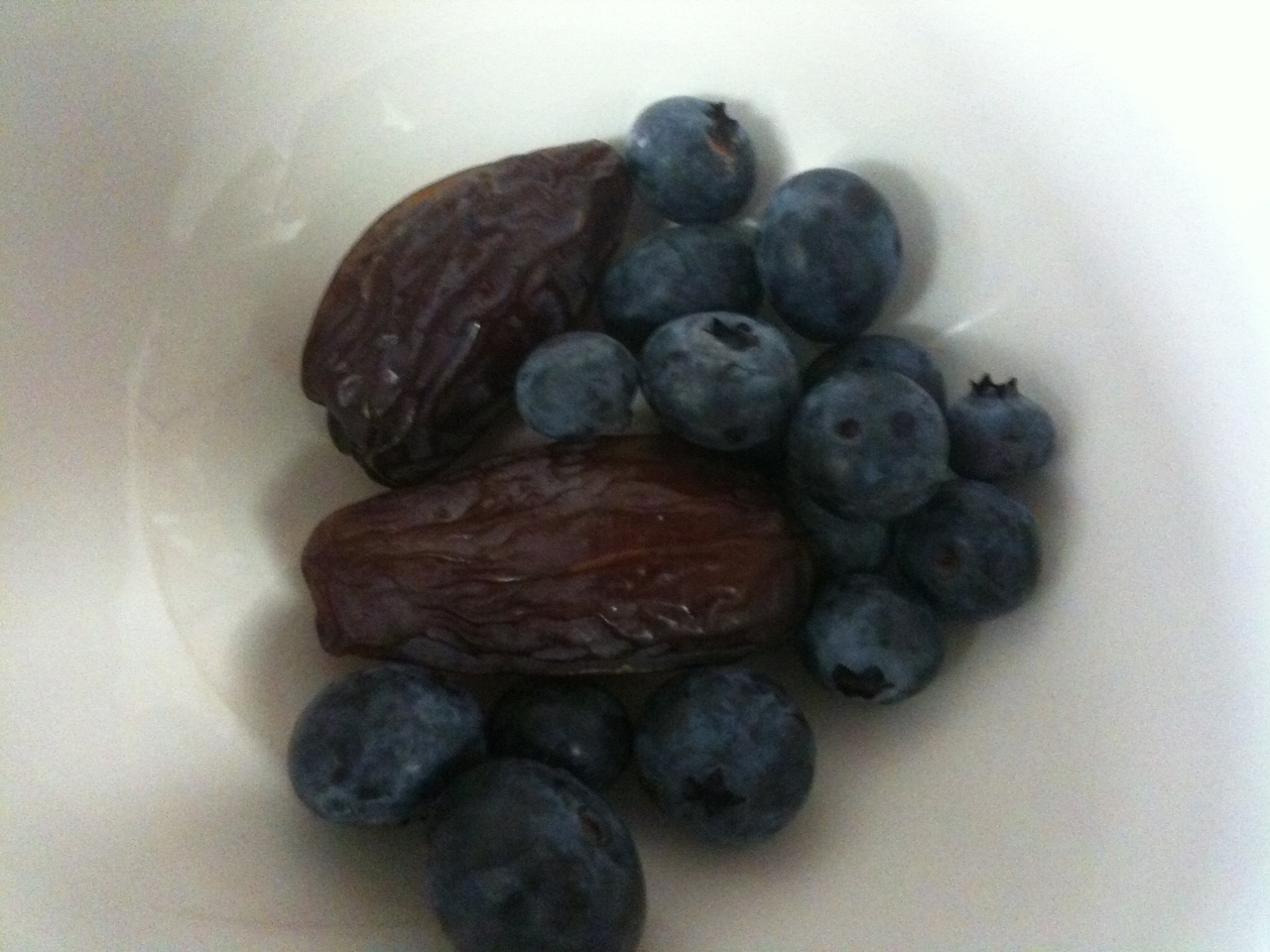
I found 30 minutes between patients to eat my lunch, to sit down and just quietly chew. Then back to work, with patients through until 7:30pm. I find a get a bit peckish throughout the afternoon - so there's always something on hand to tide us through. Today it was a little pile of macadamias, some dates and some blueberries.


Berries are just so magnificent at this time of year, so I make the most of it and happily snack on them whilst they're in season.


Finally I finish work at 7:45pm and head home. I'm home by 8:10pm, a quick whip up in the pan of some kebabs, and a plate of salad and I'm sitting down to dinner by 8:20pm. Organic chicken kebabs cooked in coconut oil, salad with olive oil and balsamic dressing. I overcatered, and couldn't finish my kebabs so tomorrow's breakfast here we come! An hour or so of winding down on the couch, then I head off to bed.


Total food preparation time for the day: 15 mins
Added sugar = None
Could have done better? - Normally I eat more veggies, it's hard to get enough when eating salad because there's so much air and not a lot of bulk, but all in all it's not a bad nutritional day.

Friday, November 18, 2011

High Testosterone in women - it's more common than you think.

High testosterone levels in women are one of the leading causes of a range of conditions - the most prevalent and commonly diagnosed is PCOS. We have a large number of women attend our clinic with a diagnosis of PCOS, majority of them have never been told about the possibilities of what might cause their condition, that their condition is not necessarily permanent, and that there are things they can do on a daily basis that can change the course of their disease and improve their symptoms.

A range of underlying abnormalities lead to PCOS, infertility, abnormal menstrual cycles, hormonal acne, including:
  • insulin resistance, often secondary to obesity
  • elevated hormonal androgens, primarily testosterone
  • lowered progesterone levels causing erratic ovulation.   

    Signs of high tesosterone in women:
    • darker hair growth on the body
    • hair growth on face and bellow the belly button
    • acne that appears on the face the same time every month

      High testosterone is commonly found in the average city-dwelling under-the-pump working woman.
      Treatment for the symptoms of high testosterone can vary according to the problem you report to your doctor. Treatments can range from:
      • oral contraceptive medications to control hormonal acne
      • clomiphene tablets to aid in ovulation for fertility issues/PCOS
      Clomiphene tablets maybe combined with steroid tablets to suppress androgen production - most often in women who are wanting to conceive. However this does not address the underlying issue, and is unfortunately associated with an increased rate of miscarriage if conception does occur. Forcing ovulation with clomiphene is not useful for all women, and can cause damage to your fertility if it is not suitable for you.
      To check your testosterone levels (and other hormones) you must see the free amount of hormone circulating in your body, this is done via saliva testing. The causes of elevated testosterone are:

      • A high sugar and carbohydrate diet
      • Ovarian and adrenal dysfunction
      • Your body converts too much hormone precursors into testosterone (excess aromatisation)
      • Impaired liver detoxification function
      • Supplementation with testosterone
      • Low sex hormone binding globulin (SHBG)
      • Increased stress
      • Insulin resistance
      • Low thyroid function (TSH should be between 0.5 – 2)
      Obesity and PCOS
      Women who are obese may be predisposed to PCOS and elevated testosterone.  Fatty tissue produces oestrogen and stores oestrogen, leading to hormonal imbalances that affect the development and ripening of immature follicles within the ovary. Fatty tissue also secretes excess androgens leading to many of the masculine signs and symptoms of PCOS (eg facial hair).  Thus weight loss and control for those with weight issues is a must, especially if weight is carried around the abdomen.

      Researchers describe ‘belly fat’ an active "organ", one that churns out hormones and inflammatory substances. ‘Abdominal fat is thought to break down easily into fatty acids, which flow directly into the liver and into muscle’ according to Lewis Kuller MD DPH, professor and past chair of epidemiology at the University of Pittsburgh School of Public Health.
      The increase in hormone production and inflammatory substances produced in the abdominal fat lead to overworking the liver and reducing the effectiveness of hormonal clearance. In a cascade of endocrine effects, insulin becomes less effective in controlling blood sugar, insulin resistance can sets in, and here we have yet another cause of PCOS (see earlier post on PCOS).

      Blood Sugar Levels and Testosterone

      Type II diabetes OR high sugar intake in diet causes insulin resistance and is a major cause of PCOS. Type II diabetes is controlled with drugs like Metformin, or as studies have shown, a low carbohydrate combined with exercise is as effective but without the side effects of medication. A low GI sugar free diet is a must for anyone with PCOS symptoms. The close relationship between insulin resistance and diet control is a number one priority for anyone wanting to cure themselves of high testosterone or PCOS.  Insulin up-regulates the production of testosterone, and high blood sugar levels present in "carbohydrate specialists" who are eating muesli for breakfast, sandwiches for lunch, fruit for snacks and pasta for dinner, are a big part of the problem for most women with hormonal imbalance.

      Other factors that impact on insulin are low levels of magnesium, high carbohydrate and sugar intake, coffee and smoking.

      The role of the liver
      Dysfunctional liver detoxification pathways also contribute to hormonal imbalances in women, leading to acne, anovulation and PCOS. The liver is responsible for clearing built up hormones in the body, especially via the sulphation and glucoronidation pathways. When the liver is overloaded with the use of alcohol, caffeine, pharmaceutical or non-pharmaceutical drugs, the clearance of elevated stress hormone, environmental toxins, cleaning agents, aerosolized paints, thinners, or under attack by viral hepatitis, then the liver is unable to clear hormones from the blood stream. Estrogen and testosterone levels then build up. 

      The treatment for a stressed liver is stress reduction, gut detox and liver detox. Look over the blog on stress (http://bit.ly/lxCh9o) to see that stress is not just physiological, and all stressors must be removed or reduced. Speak to a healthcare practitioner to guide you through a gut and liver detox (which may also aid in weight loss). Bacterial, yeast build up or parasites in the bowel prevent toxin and hormonal clearance from the body. The gut should always be checked for the presence of any of these problems and be addressed before commencing a liver detox, otherwise toxins and hormones are unable to be effectively cleared from the body and re-enter circulation.

      Other Causes of PCOS
      An Adrenal gland dysfunction, Chronic high stress levels or an adrenal tumor – Imbalanced levels of the stress hormone cortisol and sex hormone DHEA, both secreted from the adrenal glands create stress in the body which impacts on ovarian function, which causes PCOS.  Your diurnal variation of cortisol throughout the day can be tested at our clinic via a saliva test. Contact us for a referral for a saliva hormone testing kit.

      Stress and PCOS
      Stress, perhaps you may need to think about that one again…..Stress can not only cause ovarian dysfunction but cortisol can suck up our levels of progesterone, as progesterone is a precursor to make cortisol.  PCOS and the resulting lack of ovulation can be due to a lack of progesterone.

      Low levels of Progesterone
      The lack of progesterone is detected by the hypothalamus, which continues to try to stimulate the ovary by increasing its production of GnRH, which increases the pituitary production of FSH and LH. This stimulates the ovary to make more estrogen and androgens, which stimulates more follicles toward maturation. If these additional follicles are also unable to produce a matured ovum or make progesterone, the menstrual cycle is dominated by increased estrogen and androgen production without progesterone. This is the fundamental abnormality that creates PCOS. (Ref 5)

      Progesterone can be supplemented with herbs and natural progesterone cream which we can write you a referral to get. Reduction of stress is paramount.


      Low Sex Hormone Binding globulin
      SHBG Sex hormone-binding globulin (SHBG) or sex steroid-binding globulin (SSBG) binds to sex hormones, mostly to testosterone and estradiol. These hormones circulate in the bloodstream, bound mostly to SHBG and only a small fraction is unbound, or "free," and thus biologically active.  Thus,  SHBG inhibits the function of these hormones. (Ref 6 )

      Causes of Low SHBG are: Use of the Oral Contraceptive Pill – OCP, Excess protein, alcohol, thyroid disease and excess soy consumption. (Ref 7)

      Androstenediol can be taken to increase testosterone, as it converts directly into testosterone, and is used mostly by weight lifters to build strength and increase immunity.

      Low thyroid Function
      A poorly functioning thyroid gland affects adrenal gland function, and the liver's ability to detoxify testosterone via the sulphation and glucoronidation pathways. This leads to higher testosterone levels and lower SHBG, see above.

      Pituitary dysfunction
      This will lead to an abnormal secretion of other menstrual related hormones, causing anovulation, and a build up of follicles within the ovaries. This is the last call, and should be checked if all else fails.

      Low levels of Magnesium
      Recently, there are  reports about correlations between insulin resistance and deficiency of magnesium.  Some of mechanisms is when there is magnesium deficiency, magnesium fails to activate tyrosine kinase of insulin receptor and hyperinsulinemia stimulates magnesium excretion. It is expected that the exact mechanisms between insulin resistance, metabolic syndrome and magnesium metabolism. (Ref 8)


      Elevated Boron levels in the blood
      Unknown to the vegetable of fruit consumer, toxic Boron levels are in soils derived from marine evaporites and marine argillaceous sediment, which can carry thourgh into the food we eat, unless eating organically.  The most important source is irrigation water, but others include wastes from surface mining, fly ash, and industrial chemicals (ref 9). Hair levels of iron, boron, calcium, and zinc are often concomitantly elevated with lead burden. Lead exposure includes welding, old leaded paint (chips/dust), drinking water, some fertilizers, industrial pollution, lead-glazed pottery, and newsprint. (Ref 10)
      Boron's link with high testosterone is via its effects on decreasing serum magnesium serum which can impact on insulin resistance (Ref 7).

      Elevated Copper 
      Copper reduces adrenal and thyroid function, see above.
      Medical conditions that may be associated with excess copper include: biliary obstruction (reduced ability to excrete Cu), liver disease (hepatitis or cirrhosis), and renal dysfunction. Symptoms associated with excess Cu accumulation are muscle and joint pain, depression, irritability, tremor, hemolytic anemia, learning disabilities, and behavioral disorders. See Dr Kaslow webpage on copper-zinc imbalances.
      However, it is important first to rule out contamination from hair products and dyes, bleaches, swimming pool/hot tub water, and washing hair in acidic water carried through copper pipes. In the case of contamination from hair preparations, other elements (aluminum, silver, nickel, titanium) are usually also elevated.

      Sources of excessive copper include contaminated food or drinking water, excessive Cu supplementation, and occupational or environmental exposures. Insufficient intake of competitively absorbed elements such as zinc or molybdenum can lead to, or worsen Cu excess.  (Ref 11)

      Copper and Boron may be tested via hair mineral analysis, with a referral from our clinic.

      Aromatises Inhibitors
      Aromatise inhibitors (AIs) are a class of drugs used in the treatment of breast cancer, ovarian cancer and in post menopausal women

      Anti-estrogen aromatase inhibitors offer their anti estrogenic effect by blocking the enzyme responsible for synthesizing or converting testosterone into estrogen via a process called aromatization. Thus their effect is to decrease estrogen and increase free testosterone and insulin growth factor levels in the body. 

      I think I might have a problem with my testosterone levels
      Although there are many causes for elevated testosterone, we can usually determine which cause is related to your symptoms quite quickly and effectively. At the Discover clinic we use clinically proven herbal and nutritional supplements to directly bring down testosterone levels, regulate insulin levels, treat thyroid imbalances, increase liver detoxification pathways and help clear heavy metal build up.  With the correct treatment, and sound advice on diet PCOS can be very well treated. PCOS is definitely not a life sentence.


      References

      4. 2007, ‘Risks of Belly Fat’, WebMD, viewed 7/7/11 - www.webmd.com/diet/risks-weight-around-waist-7/belly-risks?page=2
      5. PCOS and Infertility viewed on the 27/10/11 at http://www.ovarian-cysts-pcos.com/progesterone.html
      6. Wikipedia, viewed on the 27/10/11 at http://en.wikipedia.org/wiki/Sex_hormone-binding_globulin
      7.   ARL pathology, Healthscope Manual, pg 96
      8. 2005,  Higashiura K, ‘Magnesium and insulin resistance’,  Clin Calcium. PUBMED, 2005 Feb;15(2):251-4. [Article in Japanese] Second Department of Internal Medicine, Sapporo Medical University School of Medicine. PMID:15692165, [PubMed - indexed for MEDLINE]
      9.  Ross O, 1997,    Boron toxicity,      Plant and Soil, Chapter 12,  193: 181–198, CSIRO Land and Water, P.M.B., P.O. Aitkenvale, QLD 4814, Australia_, 2Water Management Research, Kluwer Academic Publishers. Printed in the Netherlands.
      10. Jeremy E. Kaslow, MD, FACP, FACAAI Physician and Surgeon,  Lead, Found on  the 24/10/11 on the  Dr.Kaslow.com site  - http://www.drkaslow.com/html/hair_analysis.html
      11. Viewed on the 27/10 11 at -http://www.drkaslow.com/html/hair_analysis.html

      Friday, October 21, 2011

      Constipation in Babies and Children

      Aetiology
      There are many causes of constipation:
      -    overeating
      -    irregular eating times
      -    weaning the child too early
      -    stress
      -    not drinking enough water
      -    eating ice-cold foods
      -    drinking ice-cold drinks

      Treatment of Constipation
      -    regular meal times without snacks
      -    avoiding frozen foods like ice-cream
      -    drinking room temperature water instead of chilled water
      -    reduce cold-energy foods
      -    eat more foods that are easy to digest and lubricate the intestines

      Foods to Lubricate the Intestines (avoid if bowels are loose or poorly formed)
      -    bananas
      -    nuts and seeds
      -    prune juice
      -    fig syrup
      -    apples, pears, oranges, plums, cucumber, mung beans, tomatoes,

      Foods to Avoid
      -    ice-cream, frozen yoghurt, icy poles (except very hot days 35 degrees +)
      -    reduce the amount of high protein foods (eggs, meat) that exacerbate constipation
      -    spices, fried or grilled foods, fatty and rich foods

      Friday, October 14, 2011

      Pregnancy Pack - Buy this pack for the ones you love

      Healthy Labour and post labour

      This pack is designed to treat both the mother and her baby.

      1.        Labour tincture – Made with herbs to promote energy and blood. This tincture is used during labour to help the mothers endurance and to promote the labours onset. The labour tincture is designed to sipped throughout labour.

      2.        Blood tonic drops – Is used by the mother to boost blood and energy after labour. A lot of blood is lost after labour, and this blood needs to be replenished to increase breast milk, boost energy and prevent post natal depression. There are also herbs that help clear out the uterus of old blood and prevent infection. Please take 1 teaspoon 3 times a day in water for at least 3 weeks after birth.

      3.        Ultra Flora restore – Boosts healthy flora (friendly bacteria) in the intestines. Babies receive their positive intestinal bacteria via their mother’s breast milk. A positive bacterium maintains a normal healthy gastrointestinal system and digestive function. The intestines are where we absorb our vitamins and minerals, and healthy intestinal flora is crucial for a strong immune system.

      To buy this pack contact :
      Discover Chinese Medicine
      Ground Floor
      Suite 3,193A Lennox St,
      Richmond, VIC 3121
      P          03 9013 1777
      E          contact@discovertcm.com.au
      W         http://www.discovertcm.com.au


      IVF & Fertility

      Five of the seven rules froma Chinese Medical practitioners perspective:

      STAY WARM – An old Chinese saying “You can not cook a bun in a cold oven”

      Before and after the transfer, and throughout the pregnancy make sure that your feet are warm. According to Chinese medicine the essence that creates embryos comes from Kidney qi. The kidney meridian starts at the sole of the foot, so if we let the feet get cold then the cold travels up the channel and into the Kidneys, reducing their vitality. This also applies if your trying to conceive and through out your first trimester.

      This means no bare feet on cold surfaces! Open toed shoes and wearing light shoes in colder months is also not appropriate. If your toes are cold, then you need to wear sox and appropriate shoes, even if that means wearing shoes rather than sandals in a Melbourne summer.

      Before the transfer book in to see your Chinese doctor before the transfer, if this is not possible then take a warmed wheat bag or used a moxa stick on your lower abdomen and lower back before the transfer. Keep your lower abdomen and back warm, but not hot, especially throughout the first trimester. This means wearing clothes that cover your lower back and tummy, ie. tuck in your shirt, wear high waist pants or skirts or wear a home made kidney wrap, made from cloth or wool.


      DON’T PUMP ENERGY AWAY FROM THE FETUS

      No caffeine, this includes black teas like earl grey, English breakfast, green teas, coke and Pepsi, and of course no coffee! Caffine also reduces the body's absorption of iron. Decaf is full of chemicals so stay away from this also. 

      There is minimal caffeine in white tea, and no caffeine in herbal teas, so enjoy these teas instead. If you are a heavy coffee drinker wean yourself off coffee over a 2 week period.

      Relax. This means mentally and physically. Let go of your worries for today, do not worry about timelines or dead lines, and try to stay away from situations that make your frustrated or anxious.

      Practice a light form of yoga, gentle Iyengar or Hatha yoga, and let your instructor know that you are trying to conceive and want to drop your stress levels.

      High impact exercise is good in moderation, but not just before a transfer, and not during pregnancy as it raises Cortisol our stress hormone too much.


      Good levels of Progesterone is important to hold a fertilized egg within the womb. Progesterone gets converted to Cortisol, so if you are stressed or exercising too much or too hard, then you are more likely to miscarry.

      Energy that you expend outwards is energy that could be feeding another life inside of you. Take time to do things that make you relaxed, watch a movie, walk in the park, get a massage, get a facial ect.

      GET REGULAR ACUPUNCTURE

      In China, acupuncture is often daily for 7 days and then a few days break and then repeated again. Discover Chinese Medicine recommends acupuncture once to twice a week leading into an IVF. Come in for at least 10 treatments before your transfer, and try to fit this in 6 weeks before transfer if possible.

      Women having IVF treatment can boost their chances of falling pregnant by 65 per cent simply by having acupuncture.
      A review combining the results of seven previous studies has found that acupuncture also increases the chances of having an ongoing pregnancy (beyond 12 weeks from gestation) by 87 per cent - and nearly doubles the chance of a successful live birth, increasing that by 91 per cent. Ref 1  

      Acupuncture can reduce Cortisol levels, balance hormones, and increase blood flow to the uterus. For more information about how acupuncture can help with fertility and IVF this website has many article links; visit http://www.acupunctureivf.com.au

      MINERALS FOR A HEALTHY MIND AND BODY

      Folate (folic acid) is very important during this time. So eat plenty of green, leafy vegetables like asparagus, spinach, kale, turnip greens, collard greens, beans, peas, etc. Also, there should be plenty of folic acid in your prenatal vitamin.

      Calcium & magnesium citrate should also be in the pre natal vitamin supplement. To obtain good levels of calcium eat fish where the bones are eaten like sardines and consume dairy if possible. Black Beans, Nuts, pumpkin seeds and cooked spinach all contain magnesium.

      Taking a supplement of iron is recommend if you iron stores are on the low side.   Good sources of iron include: lean beef and lamb, poultry, fish , eggs, chick peas, lentils, kidney and lima beans, green vegetables such as broccoli, cabbage and spinach

      Eating foods high in vitamin C will also help you to absorb iron if you consume them at the same time. Try drinking a glass of water with a quarter lemon when eating green vegetables or legumes.

      A pro DHA can help with an “irritable uterus”, and also build good levels of essential fatty acids in your system, essential for baby’s brain and nervous system development.

      Eat lots of fresh and organic foods when possible to increase the vitamin and mineral levels n your body.

      To aid the Thyroid make sure iodine is part of you prenatal supplement.

      HEALTHY THYROID

      Undiagnosed, untreated or insufficiently treated thyroid conditions can endanger your pregnancy, increasing the risk of miscarriage, intrauterine growth retardation, pre-term labor, stillbirth, and cognitive problems/mental retardation in your child. Ref 2

      Successful Fertility clinics often include thyroid testing as part of a fertility testing.  Undiagnosed and untreated thyroid problems can not only impact on fertility but also worsen pregnancy symptoms such as fatigue, hair loss, depression, and morning sickness.

      Thyroid stimulating hormone - TSH is released from the pituitary gland, which is responsible via a feed back loop to control the levels of the active thyroid hormones released from the thyroid. If the active thyroid hormones are low then the pituitary asks the thyroid to work harder by releasing more TSH. If TSH is elevated, then this is an indication that you thyroid is underactive.

      In America the healthy reference range for the Thyroid Stimulating Hormone- TSH is between 0.5 – 2. Australia’s reference range is between 0.5 – 4. This means that even when your TSH levels are at the higher end off ‘so called healthy’ in Australia, American physicians would be treating you. The Australian reference ranger has a larger leeway for underactive thyroids to be called ‘healthy’ thyroids. If you have seen a G.P about your thyroid in the past, and had a thyroid function test that came back within reference range, request to see your results again, if your TSH is above 2, and your not falling pregnant, you may need to boost thyroid function with vitamin, mineral and herbal supplementation before you start trying to conceive again.

      References

      1. A. Cresswell, ‘Fertility spike from acupuncture’ The Australian , Health editor, February 09, 2008.
      2. .  M. Shomon ‘ Just When Can You Become Pregnant?’ Based on Information from the NIH, About.com Health's Disease and Condition, 2009. Viewed on the 14/10/11  thyroid.about.com/od/hormonepregnantmenopause1/a/fertility.htm

      Thursday, July 7, 2011

      Polycystic Ovarian Syndrome (PCOS) – It's not a Life Sentence.

      Polycystic Ovarian Syndrome (PCOS) is the most common endocrine disorder affecting women in their reproductive years. Causing a wide range of clinical symptoms, it is currently the leading cause of infertility in women.

      The name of the syndrome is actually an anomaly as it may occur in women without ovarian cysts. Symptoms range from obesity, hirsutism (male pattern hair growth) alopecia (Hair loss), acne, virilisation (male characteristics), amenorrhea (Loss of period), high cholesterol levels, hypertension, insulin resistance, exhaustion, decreased libido, obstructive sleep apnea syndrome and the appearance of acanthosis nigricans (black to brown, poorly defined, velvety hyperpigmentation of the skin).

      There may also be a psychological component to PCOS for certain women who experience depression and/or anxiety. This may be hormonally related, or due to self esteem issues related to the expression of PCOS symptoms.

      Twenty percent of women have a build up of ovarian follicles on ultrasound screening, however only 7-8 % of these women are diagnosed with PCOS. When any anovulatory state exists for a period of time, the ovaries tend to become polycystic, as findings have shown that 70- 80 % of women who not ovulate regularly suffer from PCOS (Tricky, 2003, pg.333).

      According to the NIH criteria, to be diagnosed with PCOS, ‘a woman has to present with chronic oligoanovulation and either biochemical or clinical signs of androgen excess’ (DiMarcantonio, 2008). Ultrasound technology is also used for confirmation of the presence of the syndrome. According to Allahbadia & Agrawal, the ultrasound morphological features to diagnose polycystic ovaries requires the presence of twelve or more follicles in each ovary, each measuring 2-9mm in diameter, and/or increased ovarian volume, above 10 ml (2007, pg.16).

      The disturbances that occur in the normal process in ovulation are the cause of the build up of ovarian cysts, which are actually multiple follicles in the ovaries. These follicles grow to half or less the normal size. In a normal cycle, one follicle would continue to grow and release an egg, however in PCOS the follicle stalls halfway.

      Endocrinologic studies reveal an array of underlying abnormalities leading to the cause of PCOS including insulin resistance, often secondary to obesity, in association with a build up, or overactivity of hormonal androgens, causing erratic ovulation.

      Conventional doctors may prescribe Clomiphene tablets to aid in ovulation for fertility issues.  Clomiphene tablets maybe combined with steroid tablets to suppress androgen production. However this does not address the underlying issue. Suppression is not a long term answer, nor is it helping your body.

      Let’s look at how PCOS develops in the body, and how to naturally and indefinitely reverse the syndrome.

      1. Women who are obese may be predisposed to PCOS.  Fatty tissue produces oestrogen and stores oestrogen, leading to hormonal imbalances that effect the development and ripening of immature follicles within the ovary. Fatty tissue also secretes excess androgens leading to many of the masculising signs and symptoms of PCOS.  Thus weight loss and control for those with weight issues is a must, especially if weight is carried around the abdomen.
      Researchers describe ‘belly fat’ an active "organ", one that churns out hormones and inflammatory substances. ‘Abdominal fat is thought to break down easily into fatty acids, which flow directly into the liver and into muscle’ (WebMD, 2007). Thus overworking the liver and reducing hormonal clearance. During this time insulin can also become less effective in controlling blood sugar, so insulin resistance sets in, yet another cause of PCOS.
      2. High stress levels and a ‘maxed’ out liver also contribute to hormonal imbalances in women, leading to acne, anovulation and PCOS. The liver is responsible for clearing built up hormones in the body. When the liver is overloaded with the use of alcohol, caffeine, pharmaceutical or non-pharmaceutical drugs, overloaded with the clearance of elevated stress hormone, environmental toxins, cleaning agents, aerosolized paints, thinners, or under attack by viral hepatitis, then the liver is unable to clear hormones from the blood stream. Estrogens and testosterone levels then build up. 

      The treatment is stress reduction and a liver detox. Look over the blog on stress to see that stress is not just physiological, and all stressor must be removed or reduced. Speak to a healthcare practitioner to guide you through a liver detox (which may also aid in weight loss).

      3. Diabetes which causes insulin resistance is a major cause of PCOS. Diabetes is controlled with drugs like Metformin and a low carbohydrate and sugar diet. This diet is a must for anyone with PCOS symptoms. The axis around insulin resistance and diet control is a number one priority for anyone wanting to cure themselves of the syndrome.

      4. An adrenal gland dysfunction, or tumour, can lead to the adrenals secreting excess androgen (so can chronic stressors). Please see you G.P to get this checked if you predominantly experience male pattern hair growth and acne.

      5. Pituitary dysfunction will lead to an abnormal secretion of other menstrual related hormones, causing anovulation, and a build up of follicles within the ovaries. This is the last call, and should be checked if all else fails.


      References
      1. Trickey,R, 2005, ‘Women, Hormones and the Menstrual Cycle’, Allen & Unwin, Second edition, NSW Australia

      2. DiMarcantonio. T, 2008,’ Controversy around the diagnosis of PCOS continues’ Endocrine Today, viewed 7/7/11 -www.endocrinetoday.com/view.aspx?rid=27868

      3. Allahbadia, G. & Agrawal, R., 2007, ‘Polycystic ovary Syndrome’, Anshan Ltd, England.

      4. 2007, ‘Risks of Belly Fat’, WebMD, viewed 7/7/11 - www.webmd.com/diet/risks-weight-around-waist-7/belly-risks?page=2

      Friday, July 1, 2011

      DAMP. What is it. How did I get it. How do I clear it.

      You may have heard the Chinese Medical term 'Dampness'.  What exactly is damp? How did it get there, and how do you get rid of it?

      Internal dampness is directly due to the impaired transformative and transportive function of the digestive organs which results in some form of pathogenesis within the body, organs and meridians. Dampness can be thought of as the condition of "high humidity" inside the body.

      A Damp condition creates symptoms of sluggish energy, a tendency to gain weight, a feeling of heaviness in the body, joints and or head, swelling or water retention, distended abdomen, sticky stools, loose bowels, phlegm discharge from lungs or nose, nodular masses, a sound of water sloshing in the stomach and or stomach rumblings, sores, weeping eczema, profuse purulent leukorrhea, turbid urine and stools containing mucus, no thirst, fatigue, and the tongue is often puffy with teeth marks and a greasy tongue coating at the back of the tongue. In Chinese Medicine, dampness is considered to be the cause of many illnesses such as high cholesterol, cancer, metabolic disorders, chronic fatigue syndrome, Candida, Herpes outbreaks, fibromyalgia, allergies and environmental illness.

      A collection of dampness over long periods of time generate heat to build in the body due to the nature of damp blocking Qi and blood flow. The damp and heat mixed together may lead to such problems as inflammation, allergies (especially food allergies), high blood sugar, weight gain, and urinary tract infections. Symptoms can include heaviness, a sensation of fullness in the chest, a smelly and sluggish bowel, abdominal pain, leukorrhea, eczema, and deep yellow colored urine. The tongue is commonly has a greasy coating.


      Raw food is a controversy to Chinese medical practitioners. Traditional Chinese doctors work on the principle that raw food may be full of vitamins nutrients, however raw food can be very hard to digest and absorb these nutrients. This is the reason why we do not feed young babies raw food. Everything we feed a baby is cooked, warmed and soft. Baby food is easy to digest and thus nutrients are easily extracted.When the digestive system is not firing properly it is better to stay away from raw food until the digestive system has gained strength, this is especially true for anyone suffering from a damp condition. It is better to eat food that is is easy to digest and warming in nature.

      What should I eat? Food Therapy for Dampness & Phlegm -

      General Principles:

      •    Ideal cooking methods are steaming, boiling, grilling, soup. Ideally always eat cooked meals that are warm when you eat them.
      •    Avoid sugar, concentrated sweeteners, high glycemic index foods, yeast (check labels especially if you have Candida signs), alcohol and fruits except citrus and berries.
      •    Avoid raw foods including salads and raw fruit (whole or juiced) until damp has cleared and digestion is stronger.
      •    Eat a whole food diet and remove foods that are difficult to digest such as milk products, (small amounts of yoghurt are ok) soy milk, animal fat, greasy foods, and food and liquids that are cold in temperature ie. Icy or cold drinks, especially beer. (this also means we say good bye to ice cream)
      •    Eat regularly, avoiding heavy meals especially in the evening
      •    Eat rich, nutritious meals in small quantities that are well distributed throughout the day.
      •    Eating on the run or when you’re stressed creates dampness as digestive enzymes are low or not available at these times. Food banks up when we eat at these times.
      •  Limit the intake of nuts. Sunflower seeds, pumpkin seeds, walnuts and almonds are less congesting however.
      •    Worry, pensiveness and mental overwork often negatively affect the transporting and transforming function of the Spleen and contribute to deranged water metabolism as internal dampness. Take a deep breath, and spend a little quite time alone or start a meditation practice.
      •    Overeating creates dampness due to food backing up. Eat until your 80% full.
      •    Regular stretching and exercise (eg yoga) is an essential part of treatment
      •    Increase the amount of mild spices in the diet (not chilli)
      •    Avoid deep fried and ‘junk’ food
      •    Avoid wheat and gluten products (wheat, rye, oats, barley)
      •    Vinegar, mushrooms, fermented foods can also create damp – avoid if you experience Candida
      •    Watch your Vitamin C intake, over 1-2g per day can contribute to dampness.
      •    Avocado, banana and tropical fruits are absolutely forbidden in the morning.

      Beneficial foods:

      Vegetables: Pumpkin, sweet potato, celeriac, squash, zucchini, carrot, parsley, Include all green leafy vegetables: broccoli, bok choy, cauliflower, brussel sprouts

      Protein: chickpeas, black beans, yam, peas, walnuts, chicken, beef, lamb, liver, kidney, tuna, mackerel, anchovy

      Beneificial spices:  Onion, leek, garlic, turnip, fresh ginger, cinnamon, nutmeg, fennel, cumin, coriander, cardamom, star anise, turmeric. 

      Drinks: green tea, lemongrass and ginger

      Unfortunately a Western diet is damp in nature. You may feel like you have to completely revolutionise your diet and lifestyle to get rid of Damp. All Western students of Traditional Chinese medicine thought the same thing when they found out about damp too. But once you make the change to a non damp diet you will feel younger,  look younger, loose weight, your skin will thankyou and you will feel energised, refreshed and liberated.

      If this information is too much or confusing don’t opt out, just simply stick to a Japanese diet (except the tempura) and you’ll be fine.