Thursday, June 28, 2012

Keeping our insides warm in winter


This is turning out to be quite a cold winter!

In agricultural-based societies, winter was the season of pulling back from the usual workload and spending more time conserving energy; very similar to what many of the plant world during this time. Crops grown over this time are slower growing, and somewhat heartier; and many of the heavy crops harvested in autumn are either preserved or kept in order to be consumed over the colder months. People would still wake with the dawn and bed down at dusk - these times being somewhat brought closer together due to the shorter daylight hours.

Life for us however doesn't necessarily allow us to follow these kinds of patterns. Our schedules are determined by the clock, not by the movement of the sun; and our workloads don't really differ that much from season to season. However, our bodies have an intelligence which mostly is still tuned to those natural cycles - insofar as we unconsciously yearn to sleep more and do less and stay cosy and warm on these chilly winter days.

In Chinese Medicine, wintertime is associated with the Water-phase of the 5-Agents schema. The energy of Water is about dormancy and conservation; the tendency of this time is solitude and isolation, and the emotional need is one of being protected. Immediately, many of us would think of sitting neat an open fire with hearty warm foods, wrapped in warm pyjamas and blankets and fluffy slippers, whilst the cold is kept away.

Here is another one of my family recipes which we thoroughly enjoy at this time of year. It is very rich, but it's also incredibly filling and warming. While the Beef can strengthen Qi, the richness of the meal nourishes and supplements Yin and Blood. The spices also contribute to warming the Yang, while the vinegar and rosemary assist in moving Qi.


Stifatho - Beef stew


Ingredients

½ kilo rump/topside steak, diced
2 tablespoons coconut oil
1 medium onion, diced
3-4 cloves garlic
2 bay leafs
2-3 sprigs rosemary
400g tomatoes (passata, or canned tomato)
½ cup red wine
1 cup vinegar (malt or red wine)
10 small pickling onions or shallots
5-6 potatoes
Salt, pepper, cinnamon, few cloves
  • Pre-heat oven to 160 C.
  • Saute meat, add onion, garlic, bay leaves and rosemary until meat is sealed and brown. 
  • Add tomatoes, salt, pepper, cinnamon and cloves and simmer gently for 1 hour, stirring occasionally.
  • When the sauce has thickened and reduced, add the wine and continue simmering for another ½ hour. 
  • Add the onions and the vinegar and simmer for another ½ hour. 
  • Add your potatoes and continue to cook gently until the potatoes are soft.
  • This dish is to be very slow cooked so that all the flavours can fuse together and the meat just melts.


Serve this up with a side of steamed green vegetable - traditionally greens such as leafy amaranth, silverbeet, endives, spinach, or 'mountain greens' were lightly boiled and sprinkled with virgin olive oil and lemon juice. Some steamed jasmine/basmati rice can also round this off.


This is certainly a heavy dish, so probably not had as a late evening meal. This dish can take up to four hours, so start cooking it early to have as a late afternoon meal. 


Wednesday, June 20, 2012

Kids & Coughs

Coughing is something that all children experience when they ‘catch a cold’, and sometimes it can be most distressing for parents. Usually, a child will experience severe coughing fits at night whilst they - and everyone else - are trying to sleep.

Whilst it can be an inconvenience for the busy, modern parents, the best thing for children is to be kept home from school and allow the body’s own natural healing process to take place, but more importantly it also means that a child won’t ‘share’ their illness with all their classmates; the common cold - or upper respiratory tract infection - is probably the most common cause for school absence.

Paediatrics as a specialist medicine was really developed during the Song dynasty period in China, around the 11th Century. The understanding that children required something slightly different to adults led to the development of specific massage (tui-na) and acupuncture techniques, as well as paediatric herbal formulas. Children are understood to be inherently more yang - as this is the period of phenomenal growth and development, which requires an abundance of Qi and yang-energies. This also means that there is a relative deficiency of yin, and so this constitutional factor needs to be taken into account when developing treatments for children. Their immune systems are also considered inherently weaker, as they are still in the process of developing fully, and so tend to get sicker easier and quicker; the upshot to that is that they also get better quicker than adults too! As with adults, and congenital factors also need to be taken into account.

There are some key things to look out for, and let your practitioner know about which assist in determining the correct treatment. What does the cough sound like - is it a strong, loud barking cough; or a weak, quiet one? Is it dry? If there is phlegm, is it coming up easily? What colour is the phlegm? Is the throat sore? Is there a headache? Is there a fever? Is the child sore? Is there any nasal mucus, and if so what colour is it? How long has the cough been going for?

Chinese herbal medicine is particular good for this kind of ailment, but it is also useful to be combined with a session of acupuncture and/or massage. Most children may not be keen on having acupuncture needles stuck in them, which is why massage that stimulates the same points and channels can be better in these situations. The other benefit of taking your child into seeing a Chinese Medicine practitioner is so they can assess the nature of the condition and guide you to what needs to be done.

With getting your child to take medicine, I find that using a syringe (around 10ml) is useful, as it also turns the taking of the medicine into a kind of game - they get to squeeze the syringe themselves, thus also teaching them (in a subtle manner) about taking responsibility for their own health. It also means the medicine will get through and bypassing most of the taste buds! When coughing is the main complaint, I will often combine the medicine with a herbal cough syrup - usually containing honey - which will sweeten the flavour somewhat. There are quite a few good herbal cough syrups that are available from most Asian grocery stores as well as Chinese Medicine dispensaries.
 

And there is plenty that a parent can do at home to speed up recovery. Dietary therapy is of particular importance for all kinds of paediatric illnesses, due to the undeveloped nature of the child’s digestive system. Teas are very useful for treating the common cold, and particularly so for a cough and a sore throat. The types of teas are again dependant on which pattern of illness your child presents with. ‘Heat’ patterns need to be treated with ‘cool’ teas, foods, and herbs, while ‘cold’ patterns need the opposite. If the Lungs are dry (distinguished by a dry cough), they need moistening; whilst the presence of phlegm suggests the use of substances that will ‘dry up’ the mucus.

Another useful method is massaging the child’s chest with some Tiger Balm when they go to bed. Tiger Balm is said to help promote the movement of Qi and disperse the Qi-stagnation in the Lungs. The smell of the camphor can also help clear the nasal passages, allowing the child to breathe easier through their nose, thus reducing the need to breathe through their mouth, where pathogens lodge in the throat (the first signs of a cold are usually the distinctive sore throat and blocked nose). Baby-boomers may remember having camphor pinned to their undergarments to prevent getting sick; dabbing a spot of Tiger Balm behind the ears and on the throat is used for the same reason.

Here is our family recipe for Chicken Soup - it’s what we were always given when we were sick growing up. It provides nourishment (Qi) to help keep the body strong and fight infection. And it tastes wonderful, and kids love it! Enjoy....

“Avgolemono” - Chicken soup with egg & lemon

Ingredients
1x whole chicken - free-range or organic
1x carrot
1x stick celery
1x onion
pepper & salt

1x cup rice
2-3x free-range/organic eggs
3-4x lemons

20-30g sliced Huang Qi (Astragalus radix) - available from all good Asian grocers. This is optional.

Method
In a large pot of water, bring to the boil the chicken, carrot, celery, onion, and salt/pepper. Boil for 1 hour. If using the Astragalus root, stuff it into the cavity of the chicken.
After this time, remove the vegies & the chicken (carefully) and place in an oven tray. The chicken can be roasted, to provide a second meal, thus getting value for money!

Add the rice to the broth, and boil until rice is ready.
Whilst the rice is cooking, beat the eggs and the juice of the lemon together in a large bowl. When the rice is cooked, turn off heat, and begin to slowly ladle the liquid (not the rice) into your egg/lemon mixture, and continue to beat to create a fluffy mixture. The purpose of this is to slowly bring the egg/lemon mixture to the same temperature as the soup, so the egg will not curdle. Keep ladling soup into the bowl until it feels the same temperature as the soup pot. Then transfer this back into the soup pot. Add salt/lemon juice to taste (if necessary). Serve with some ground pepper.


Monday, June 18, 2012

Anxiety


We can all feel a little anxious from time to time - before an exam, or a job interview, an important meeting, before a first date, and so on. For some people however, these anxious feelings can continue over extended periods of time, and sometimes with no real or valid reason. When the feeling of anxiety is affecting your ‘normal daily routine’, then this is an indication that there is something wrong which needs to be addressed.


According to Western models of mental health, there are a number of anxiety disorders:
  • generalised anxiety disorder (GAD)
  • panic disorder
  • obsessive-compulsive disorder (OCD)
  • post-traumatic stress disorder (PTSD)
  • social anxiety disorder
  • specific phobias
Whilst all of these have their own idiosyncratic nature, at the heart of it is some irrational and excessive sense of fear, worry, and dread.

According to Beyond Blue, these disorders are the most common, with an estimated one in seven Australians experiencing an anxiety disorder in any given year, with one in six women being affected, and one in ten men.

Chronic feelings of anxiety - termed generalised anxiety disorder (GAD) - is said to affect 5% of Australians. It can also occur alongside other mental health disorders, such as depression, addiction, or other anxiety disorders. As well as the uncontrollable worry about everyday concerns, sufferers of GAD can also find themselves with a number of physiological signs and symptoms, such as muscle tension, abnormal sweating, nausea, cold/clammy hands, difficulty in swallowing, edginess/jumpiness, gastrointestinal discomfort (such as diarrhoea), irritability, tiredness and insomnia.

Panic disorders on the other hand a little more dramatic, with the tell-tale ‘panic attacks’ - sudden and acute onset of intense fear or discomfort which lasts for up to ten minutes, accompanied by symptoms such as the feeling of imminent danger or doom, the strong desire to flee, heart palpitations, sweating, trembling, hot flushes, a possible shortness of breath or a feeling of being smothered, a choking sensation, possible chest pain, a feeling of nausea or abdominal discomfort, dizziness, depersonalisation, a fear of losing control, or a fear of dying. Diagnosis of this disorder is based on the frequency and intensity of the attacks, and also monitoring for subsequent and continued sense of anxiety about further attacks, or fear of the triggers of such attacks. It is thought that about 3% of Australians suffer from this disorder.    

Post-traumatic stress disorder (PTSD) are attacks of anxiety that are directly linked to traumatic events, such as assaults, major accidents, natural disasters, neglect, experiencing unpleasant medical procedures, and so on. As well as the usual signs of anxiety, sufferers from this disorder will also experience flashbacks, nightmares, a loss of interest in what was once enjoyable, and memories of the event that continue to intrude on normal, everyday thoughts.
There is no exact equivalent in Chinese Medicine for anxiety, however there were some disease states which closely resemble this, known as “fear and palpitations”, “panic throbbing”, and “agitation”. Involving a state of fear, worry, and anxiety, these disease states share many of the same physical and emotional symptoms described above.

The aetiology of anxiety from a Chinese Medicine perspective is usually some form of stress, which can involves any of the emotions. Emotional stress can lead to the stagnation of Qi , which can also generate internal heat which will deplete the yin-natured aspects of our body, which agitates the Mind. Sometimes, there is also what is referred to as ‘constitutional’ factors, which include the development of patterns of behaviour and coping skills within families. Diet also plays its part, with irregular eating and the excessive consumption of Damp-producing foods - such as processed foods, preservatives, and additives being the worst - causing sluggish flows of Qi in the channels, leading to obstruction the Mind. Haemorrhages and other heavy losses of blood can also lead to the patterns of deficiency which affect the Heart, the organ-system which plays a vital role in our emotional health. Finally, extreme taxation and fatigue caused by working long hours without adequate rest and recuperation can deplete our vital energies, which also throws the internal organ-systems out of balance, leading to the patterns of disharmony which are found in cases of anxiety.

In Chinese Medicine, the Heart organ-system is said to be the “seat of all emotions”, and so any psychological/emotional disorder is linked with pathologies involving this organ. In anxiety disorders - especially in panic disorders - this connection is obvious given the associated symptoms of palpitations, chest fullness, and so on. However, all the organ-systems and channels of the the body are involved in the treatments of this disorder.

Being primarily an energetic medicine, Acupuncture is particularly beneficial in treating individuals with these disorders, as emotions - like Qi - is fundamentally an energic quality. By palpating points along the channels, assessing the pulse, and asking about any other symptoms, Acupuncturists are able to harmonise the channel system, the network which interconnects all parts of the body. Systematic reviews of the research into Acupuncture treatment for some anxiety disorders showed some positive results

Herbal medicine and nutritional health also plays its part, as we are able to bring our internal landscape into balance, harmonising the organ-systems which lead to patterns such as Qi-stagnation, or depleted energies of the individual organs.


Meditation and mindful exercises such as Yoga or Taichi are also very useful to help to learn to relax the body as well as the mind, and providing the time and the space to unwind and alleviate stress.
Something that helps with all types of anxiety is the ability to talk with someone you trust and share how you feel about issues. Speaking with a trusted practitioner - a Chinese Medicine practitioner, your GP, a counsellor, or a psychologist - can also be of great benefit. Practitioners can help in ways beyond the mere physiological, and can also help refer you onto services - such as
Beyond Blue, Lifeline, and Men's Helpline - that exist to help you further.

Anxiety isn’t something to be afraid of, nor ashamed of. But it is something that will affect our daily lives if we let it, and can lead to further complications.

Wednesday, May 30, 2012

It takes two: baby!

The infertility rate here in Australia is estimated to be one in six couples.However, the focus on fertility treatments always seems to be skewed towards treating the female. Marketing of fertility treatments seems to be directed at women, reminding them that the clock is ticking. Even in IVF, a lot of stress is placed on the woman to follow strict schedules. Somewhere along the line, it is forgotten that men too play an equally important role in conception.

Holistic fertility treatments focus on both man and woman, never assuming that the inability to conceive is merely due to a woman’s age or egg production alone. Studies are showing the increasing effect of the male on all conception, embryonic/foetal/infant health and pregnancy issues.

It takes between 80-116 days for a single sperm to be created. Going through five cycles of six stages, it is this 3-4 month period before ejaculation where the sperm is susceptible to many threats, before it even takes the journey towards (possible) conception in the uterus of the woman. Because they are smaller and more exposed to environmental factors, sperm are indeed more vulnerable than eggs.

Of the known causes of male infertility, the most common (affecting some 66% of cases) is issues with production. The usual causes are factors such as heat, pressure, infections, genetic problems, exposure to drugs, chemicals, or radiation, age, testicular torsion, undescended testes, or previous vasectomy. 15% of cases are due to blockage of tubes (ejaculatory problems), and the third most common aetiology is anti-sperm antibodies which attack the sperm whilst in the uterus. Less than 1% of infertility cases are due to sexual problems, which are usually secondary to illnesses such as diabetes, pelvic/prostate surgery, nerve damage from spinal cord injury, anti-depressants and anti-hypertension medication, infrequent intercourse, or age.

Pre-conception health-care for males is therefore essential, especially during the 3-4 months where sperm is being created. The factors leading to male infertility need to be identified, and then appropriate diet/lifestyle changes and treatment need to continue throughout this period. Potential dads need to re-consider how they lead their lives and how they treat themselves and their bodies, as their health can impact the health of their offspring. Leukemia, asthma, respiratory disease, mental development/disease have all been linked to the health of the father and his sperm.

Healthy sperm should ideally have a concentration of at least 100 million/ml. Motility should be at least 75%, and normal morphology rates of no less than 30% are considered acceptable for natural conception. In the past few years, the details of what is considered acceptable sperm for making the next generation have been significantly revised downwards. Many laboratories now consider 5 million sperm, 45% motility and 97% abnormally formed sperm to be acceptable.

In Chinese Medicine, there are several physiological factors that must come together to enable a man to be fertile. There must be adequate life-essence, this is reflected in a general robustness and vitality, good quality hair that isn't greying, strong nails, no sweating at night or sticking feet outside of the doona, no reflux meds or asthma medication. The "gate of vitality" in the lower abdomen must be warm enough to power spermatogenesis, this will show in a strong lower back that doesn't ache, good circulation, hands and feet that don't get cold, and a good strong libido. Liver energy must be free-flowing and Kidney energy must be abundant enough to promote healthy sperm production and maintain normal ejaculation. When the Liver and Kidney are functioning well there will be a moderate temperament without anger, good vitality, clear eyes without dark circles or puffiness underneath. A man must also have adequate vitality and general nutrition, to promote the quality and liveliness of his sperm which contain a blueprint that gives his offspring the best foundation to life possible.

If prostate issues are suspected, or there is a blockage interfering with normal ejaculation, Chinese Medicine looks for "phlegm" or "blood stasis", which tend to obstruct the seminal pathways and allow normal ejaculation. Issues that damage or interfere with the normal shape of the sperm (morphology) are often classified as "damp-heat" or "heat-toxins". These can be present in the body due to exposure to toxins, chemicals, radiation, infections and STD’s. Checking the semen for Human Papilloma virus (HPV), cytomegalovirus (CMV), herpes simplex virus (HSV), human herpes virus type-6 (HHV-6), Epstein-Barr virus, hepatitis-B, and Chlamydia trachomatis can be useful; at the sub-clinical level, there may be no visible signs or symtpoms, but the DNA of these viruses will show up in the semen.

Of course, there are other factors which we would also look at addressing, such as the physiological factors involved when men are over-weight or suffering from obesity. When there are prostate issues, these presenting patterns usually combine also to create infertility, as would any of the patterns involved with more psycho-emotional conditions involving low libido, erectile dysfunction, or other issues related to performance. Psychological and emotional wellbeing is also important, as how we as men feel will also affect our partners’ moods, thus affecting the deep connection which also is important in the act of conception.

In treating male infertility, both acupuncture/moxibustion and Chinese herbal medicine can be of great benefit. However it also vital to look at one’s diet, and make the appropriate modifications, depending in the individual. Antioxidants such as zinc, folate, vitamins E & C, and beta-carotene have been found to be useful to improve fertility; these are best taken in supplement form, the therapeutic levels required to achieve positive changes in sperm often exceed what is possible in a normal diet.

Lifestyle issues also need to be taken into account with appropriate modifications, such as reducing the exposure of the scrotum to heat due to tight and synthetic-fibre underwear, hot baths, and so on. The ancient Chinese also knew that maintaining regular - but not excessive - sexual activity is important, as it ensures the free-flow of "Qi" (energy), "Blood", and "Essence", thus maintaining fertility. Psychological and emotional wellbeing is also important, as how we as men feel will also affect our partners’ moods, thus affecting the deep connection which also is important in the act of conception.

Overall, a holistic approach is best and involves utilising modern testing methods with ancient Chinese treatments and augmentation practices such as diet, lifestyle, and Qigong.


Monday, May 21, 2012

What is normal digestion?


Ideal Digestion

It is a question that is asked to every patient that walks into a Chinese Medicine consultation. What is happening with your digestion? Bloating, reflux, rumbling stomach, pain, belching, gas, loose bowels, sluggish bowels, constipation. These are problems that are very common, and are often playing a central role in what is keeping someone from getting better on their own.

Even if the problem is a sore neck, headaches, insomnia or infertility. 

It's not the thing that comes to mind when you're coming in to have something else treated, however if you can't absorb nutrients from your food, if there is inflammation that is causing you to chew through nutrients faster than you can get them in, if there are unwelcomed guests living in your digestion that are generating toxic by-products that are distracting your liver from detoxifying the other chemicals that you're exposed to in your life - well then you're gonna have to fix that in order to get well and STAY well.

So what does an ideal digestive system do? It goes a little something like this:

- you don't eat because it helps to stave off an acidic feeling 

- you don't crave sugary foods, chocolate or bread
- you have adequate saliva in your mouth to help you chew your food
- after swallowing your food you don't feel uneasy in your stomach
- there is no feeling of being bloated, or that you need to let your belt out a notch
- you don't feel tired or zoned out after eating a meal
- your concentration doesn't deteriorate after a meal
- you may have a very mild or subtle feeling that your digestion is processing your food
- there are no loud rumbling sounds emanating from your stomach
- between 30-60 minutes after eating you should feel the need to pass a bowel movement. There is no pain or discomfort before or after, there is no strong odour, the stool is fully formed, and your bowel feels completely empty


Doesn't sound like you? If you are missing out on even one factor in the above list it could be a sign that the way your digestive system operates could be playing a larger role in your current health concern than you realise.

Fix Your Digestion
 
A Chinese Medicine practitioner can assist by performing acupuncture, prescribing herbal medicines, advising on vitamins and supplements that could be useful or ones that are HARMFUL and should be avoided. 
 
Lifestyle and dietary advice is essential to prolonged and sustained improvement in your condition, and your practitioner can assist you to become aware of and make the changes that are going to be the best for YOU. There are no one-size-fits-all approaches to sustaining optimum health, and Chinese Medicine makes suggestions according to your specific diagnosis.


Amazing Digestion
Sorting out what is going on with your digestion can make such a difference to energy levels, stamina, mood and overall wellbeing, as well as sometimes helping to improve other seemingly unrelated problems. Patients often report that they didn't even realise how good they could feel. We really encourage you to explore what's possible for your body.

Friday, March 16, 2012

Depression - An Integrated Medical Approach

Depression can be caused by many different reasons. There is no one treatment miracle cure that will work for everyone.

We find that by combining the approaches of modern science with the principles of Traditional Chinese Medicine give patients a fast recovery and returning to a normal mood that is less likely to regress.

According to modern medicine depression can be caused by genomic expressions, severe chronic illness, metabolic disorders like hypothyroidism and diabetes, toxicity of copper and other heavy metals, nutritional deficiencies such as iron, zinc, B12, B9, B3, Vitamin D, Vitamin C, chromium and magnesium, low amino acids tyrosine not converting to serotonin, liver issues causing methylation problems (discussed in more detail) and more.

According to Chinese Medicine depression can stem from blood deficiency, this is where most post natal depression stems from and is closely linked with iron and B vitamin deficiencies, liver qi stagnation, and issues with the lung, heart and kidney organs.

This information can seem overwhelming. How do you know the best place to start to treat your depression?

The most typical Chinese Medicine pattern of disharmony of depression seen in our clinic stems from either the Liver energy or the Kidney energy not working the way it should. In Chinese Medicine we talk about the Liver and Kidneys in a broader sense than the medical world, sometimes it can correspond to a detectable problem with your Liver or Kidney organs, but mostly it is occuring on a subtler functional or energetic level.

If you are suffering more anger than ambivalence then your practitioner is more likely to suspect that the Liver energy needs to be treated. Subtle signs and symptoms will bring a qualified Chinese Medical practitioner to diagnose their patient’s organ pathology however, and one must seek diagnosis and treatment from a qualified professional.

When you’re being treated from a modern medical perspective you must be tested. Blood tests can determine genetic polymorphisms (which can be treated), vitamin deficiencies, and thyroid conditions. Functional pathology labs can test for how your liver clears toxins away and which amino acids you're lacking, which make ‘depression relevant’ compounds.

Together both systems compliment each other, and patients who receive treatment from both modalities tend to recover faster.

The LIVER

Is the storage site for many essential vitamins and minerals, such as iron, copper, B 12, and vitamins A, D, E and K. The liver is known as the detoxification organ, not only of external chemicals and pollutants, but also hormones that are made in the body, which constantly need to be broken down and turned into excretable substances. When hormones are not cleared properly from the body they aromatize into other hormones which creates hormonal imbalance, disrupting mood dramatically.

The role of these various enzyme activities in the liver is to convert fat soluble toxins into water soluble substances that can be excreted via the kidneys in the urine or via the gall bladder in the bile. Therefore to detoxify properly one needs their kidneys and gallbladder to be functioning properly. A gall bladder flush is a great place for people to start when detoxing or having difficulty digesting fats, speak to a complementary therapist to be assisted through this process.

A process known as methylation also occurs in the liver. This process is critical to the metabolism of dopamine, norepinephrine and epinephrine which are thought to be directly related to symptoms of depression, anxiety and other mood disorders. Methylation  synthesizes ‘depression-relevant' compounds such as melatonin, serotonin, dopamine, adenosine, glutathione, GABA, sulfate, cortisol, carnitine, CoQ10 and more. Methylation is also required to inactivate histamine, the inflammatory compound involved in immune reaction such as hayever and allergies. 

Basic nutrients necessary for normal function of this cycle include B12, glycine, serine, activated B6, selenium, cysteine, methionine and folic acid, hence B vitamins and amino acid deficiencies influence the expression of depression.

Several studies have shown the utility of folic acid in the treatment of depression. Some people carry genes that cause then to be deficient in folic acid. This is common in people who has depression that runs in the families.  Carrying the MTHFR gene means that folate (B9) is poorly activated, which means that they can not recycle their homocystine back into methionine. High levels of homocystine not only impact in the development of depression but also heart disease, colon cancer, and gives rise to a higher incidence of neural defects in babies and autism.

If depression stems from poor liver function then alongside vitamin and amino acids there are an array of herbs useful for liver detox and function. 


Lifestyle Choices

Eat less processed foods, and more freshly cooked meals. When eating out, choose meals that are prepared with less oil, sugar and salt. The best cooking methods are stir frying, poaching and steaming. Schedule main, heavier meals for the earlier part of the day where possible. Simplify your meals, don’t have too many food groups in one meal.

Increase folate rich foods: vegetables, especially green leafy vegetables and red vegetables. Aim for 3 cups of vegetables each day, and minimum of 2 pieces of fruit each day. 6-8 glasses of water each day as a target, more in summer.

To increase vitamin absorption and reduce inflammation try gluten and casein (dairy protein) free foods.

A high protein diet will contribute to “qi stagnation”; it is best to focus on the quality of protein consumed rather than the quantity, look for fish that is fished out of Australian or New Zealand waters. Your diet should be high in leafy green vegetables, moreso than focused on protein.

Check packaging for additives, sugar and salt. Try to choose brands without preservatives, and with sugar and salt lower on the list. Remember that ingredients are listed from highest to lowest content. Avoid MSG (and related additives) wherever possible. Look for numbers 620-640 (flavour enhancers). Number 621 is MSG. Artificial sweeteners should also be avoided where possible.

Reduce caffeine, carbonated drinks, alcohol, cigarettes, recreational drugs, fatty foods, sugar and salt. Replace with herbal tea or coffee substitute, water or diluted fresh juice, freshly cooked meals.

Avoid eating too late in the evening, try to have your final meal by 7pm. Your body needs to rest at night, not spending all night digesting your dinner. Your energy levels can be quite low in the morning if you’ve had a large meal before going to bed.

Be guided through a detox with an experienced healthcare provider, physically and emotionally.

Turbulent or volatile emotions at meal times are especially detrimental; meals should be eaten in a calm and relaxed environment. Relax whilst you’re eating and enjoy your food, and avoid eating whilst working, reading or watching TV. Ensure to leave adequate time each day to relax, whether meditating, listening to music, gardening etc. or some other form of activity that doesn’t involve reading or watching TV.

Move Qi (energy), don’t exhaust it. This means look at how you exercise, long distance running, crossing training for hours at a time and exercising in elevated temperatures typically exhaust qi. This can sometimes be detrimental to your progress, back off on the exercise if you suspect that your mood is adversely affected. Low intensity exercise such as light jogging, power walking, cycling and swimming is preferable. Yoga, pilates and tai chi are also excellent ways to get stuck energy moving.

Reducing your workload and the amount of time you spend at work, spending time at least once each week doing something you enjoy. Where possible, get to bed before 11pm, try to avoid burning the candle at both ends. Remain conscious of where your true energy levels are and avoid “running on empty”.

Start exercising lightly, qi gong, tai chi, hatha yoga, swimming, walking, gardening.

Depression From Exhaustion

According to Chinese Medicine your practitioner could identify that you have Qi and Blood deficiency. This is usually associated with a weak digestive system. It's vital to check your pancreatic enzymes are ok, so that you are producing the right enzymes to effectively digest your food. Practitioners at our clinic can arrange these tests for you, alternatively you can see your GP.

Low iron is sometimes linked with Qi and Blood deficiency, this can be from an inherited tendency, it could be from a parasitic infection, low dietary intake, or poor absorption. All causes of low iron can be treated, and can make a big difference in your mood. Ensuring that your iron stores (ferritin) are adequate to support great health is essential, we like our clients to bring their blood test results along so that we can see how closely your levels align with the metrics of great health, rather than using a metric that indicates the absence of disease. It is with a fresh perspective that often times clients can unravel problems that have plagued them for years.

If your practitioner diagnoses Blood deficiency and you are a woman, it's especially important to resolve the problem quickly if you suffer from menorrhagia, heavy bleeding during your menstrual cycle.

General Principles for Eating to improve absorption of vitamins and minerals from food, and to tonify a weak digestive system:
    Absolutely avoid all raw food including salads.
    All foods to be cooked and eaten warmed, long slow cooking, soups, broth & stews,
    Thorough chewing,
    Simple combinations of a few ingredients,
    Smaller meals more often,
    Regular meal times
    No excess fluid with meals, overeating, missing meals or eating while working.
    Avoid food that is more than one day old. 
    Don’t eat when you are upset or angry.

Increase protein intake, the best source of protein is animal protein, especially organic chicken (soups and stock), and green leafy vegetables are high in Iron content.  In vegetarian diets folic acid and Vit B12 can be taken as supplements.

Adrenals

Adrenal exhaustion can be a major contributor to depression, to test your adrenal output you can do a saliva cortisol test through the day to see how your cortisol varies from day to night.

For those with high or low cortisol should stay away from stimulants! Eating small and regular meals that contain good sources of proteins and fats can also help nourish the adrenals. Learn how to relive stress and REST!

An adaptogenic tonic can balance your adrenal hormones which can help your energy out put feel even throughout the day. This sis a great way to help you come off the abuse of stimulants, which just keep draining your adrenals, and creating energy fluxes throughout the day.

The Chinese believe that as heat is a source of energy, you should not allow heat to escape from the Kidney adrenal region. This can happen either around the lower back and abdomen or through the Kidney meridian at the sole of the foot. Keep the back and feet warm, and prevent Qi loss.

Tuesday, November 29, 2011

A day in the life: Clare's Food for a Day

A day in the life

As health practitioners, we are always talking to patients about ways of cleaning up their life to make healing easier. Making dietary changes is one of the big topics that comes up in most consultations. The main things we're talking to patients about is cutting down or cutting out booze, coffee, sugar, processed foods. Sometimes when patients are showing signs they may be a candidate for metabolic syndrome and type II diabetes we suggest a month of resensitising themselves to insulin - by cutting out grains, fruit and sugar for a month. For people who have muesli or cereal for breakfast, sandwich for lunch, pasta for dinner - a diet without grains would seem impossible.

Well for me, it's the daily standard. I have gluten intolerance, and a slightly unhappy thyroid gland, which makes me a prime candidate for a very low grain diet. I eat plenty of vegetables and get my carbohydrates from veggies and small amount of fruit. If you want some ideas about what you can do if you're not eating a wheat based product - check out what my typical day of food looks like.

As much as it may be tough to have someone tell you to cut out on x,y,z from your diet, make sure it's something they have done themselves so they know what they're talking about. Some may hate me for it, but yes in my case I do walk the walk as well as talk the talk!! It is indeed possible to live a happy and full life without caffeine, alcohol, sugar or bread.

So what did I actually eat last Tuesday?

Tuesdays are a busy day for me, and one of the worst nutritional days of the week for me for this reason. It's my one day at clinic that I finish late, so I like to give myself a bit of a sleep in. I wake up around 8am, do my morning yoga, make breakfast and get ready for work. I always have a cooked breakfast, I find it sustains me really well throughout the morning and into the early afternoon. On this particular day, I ate an egg, some bacon, mushrooms, sundried tomatoes, a roasted artichoke and some cucumber - all cooked in extra virgin coconut oil NOT olive oil. A pot of liquorice tea helps to support my adrenal function, and you can see my other powdered supplements there that I take each day - a magnesium drink and a zinc+vit c combo.

Women's multi, CoQ10, Vitamin D, a general probiotic (nothing out of the ordinary so far), Adrenal Gland extract, chinese herbal formula Rehmannia Six (Liu wei di huang wan), and a thyroid support supplement. Phew, what a list!!

Then I head into work for the day, starting around 11am. On this particular day however I left my lunch behind, so emergency lunch it was. I popped over to the local supermarket and picked up some salad, some smoked salmon and a yummy mustard/balsamic dressing. Out of the 10s of brands on the shelf, it was the only one that was sugar free - it's such an eye opener to read your labels before purchasing food items. If you're not already a label reader, you should start, so that you can become a conscious consumer.


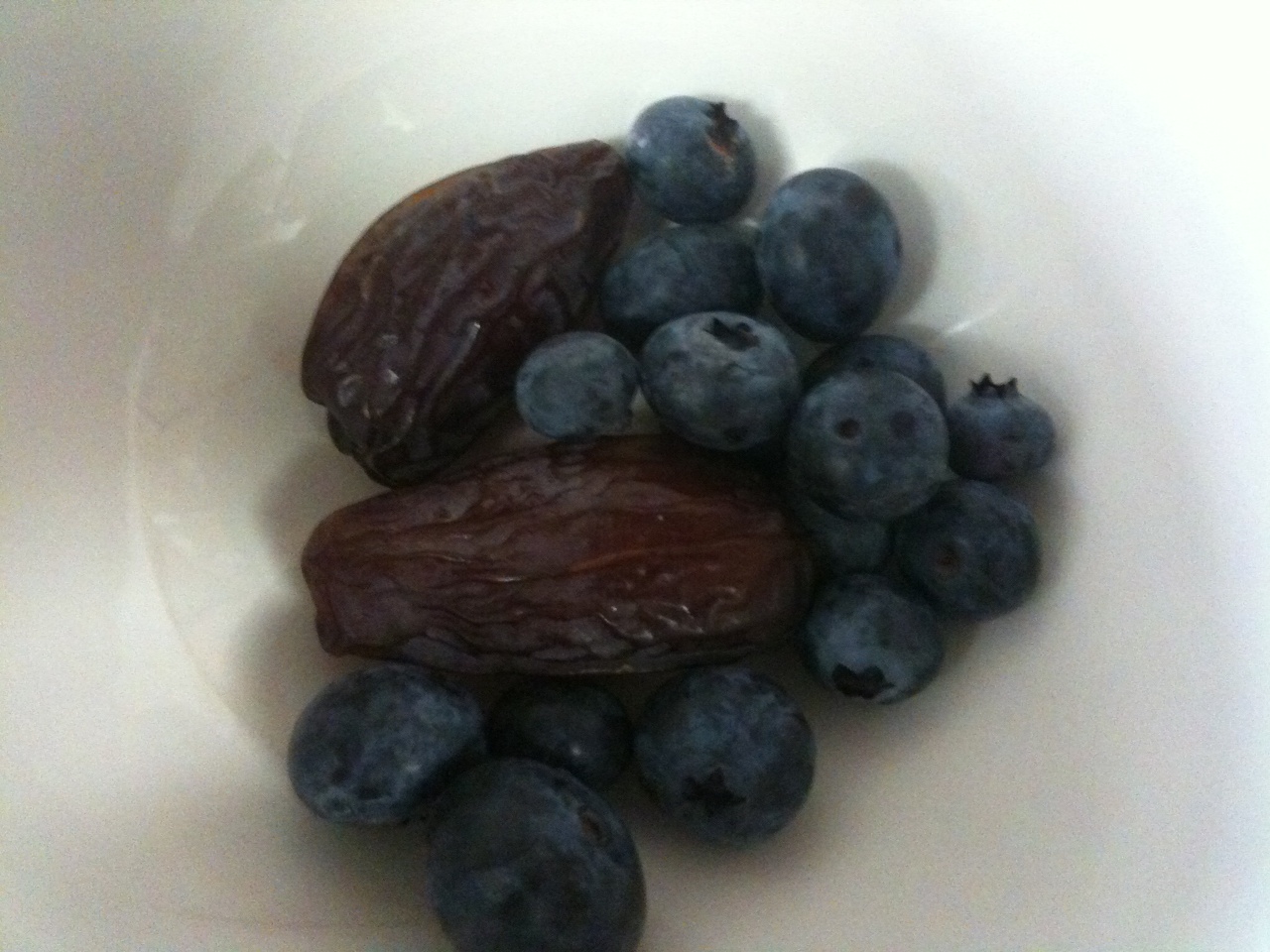
I found 30 minutes between patients to eat my lunch, to sit down and just quietly chew. Then back to work, with patients through until 7:30pm. I find a get a bit peckish throughout the afternoon - so there's always something on hand to tide us through. Today it was a little pile of macadamias, some dates and some blueberries.


Berries are just so magnificent at this time of year, so I make the most of it and happily snack on them whilst they're in season.


Finally I finish work at 7:45pm and head home. I'm home by 8:10pm, a quick whip up in the pan of some kebabs, and a plate of salad and I'm sitting down to dinner by 8:20pm. Organic chicken kebabs cooked in coconut oil, salad with olive oil and balsamic dressing. I overcatered, and couldn't finish my kebabs so tomorrow's breakfast here we come! An hour or so of winding down on the couch, then I head off to bed.


Total food preparation time for the day: 15 mins
Added sugar = None
Could have done better? - Normally I eat more veggies, it's hard to get enough when eating salad because there's so much air and not a lot of bulk, but all in all it's not a bad nutritional day.