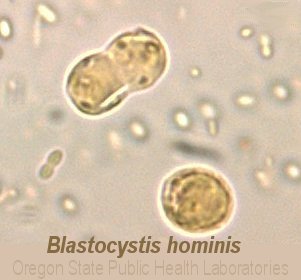
Blastocystis hominis
 is a small protozoal parasite that lives within the mucus of the large intestine and the colon, sticking to the inner wall, thus making it extremely difficult to get rid of even with extensive medication.
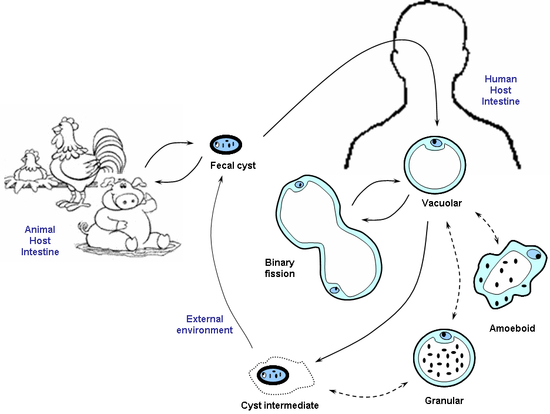
It is transmitted via the faecal-oral route, or from contaminated food or water. Incidence of
B.hominis is therefore quite high in developing countries; however the
incidence in developed countries is great amongst those with regular
exposure to animals.
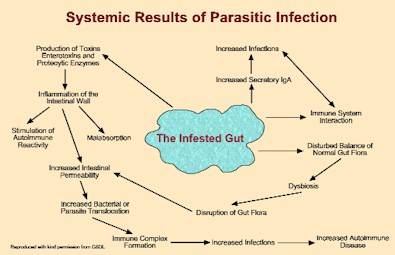
Part of the problem of this parasite is that many people may have them, but present with no symptoms whatsoever. For the most part, it is thought to not really be a problem in health unless someone later develops a problem with the immune system or the digestive system. The usual signs of infestation include anal itching, diarrhea, excessive flatulence, weight loss, on-and-off abdominal pain/cramps, abdominal distension, bloating and
discomfort, constipation, diarrhea, nausea, intense brain fog, very low
energy levels, lack of concentration, lack of appetite at times but
increased cravings at other times and strangely enough weight gain. Those who suffer from
allergies, immune system difficulties, skin problems, and bowel problem should also suspect that B.hominis may be causing problems.

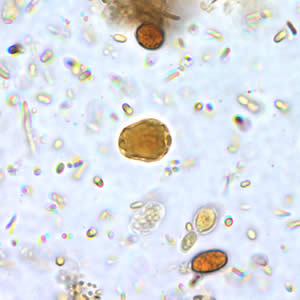
The only true way to determine if the parasite exists in significant numbers in your gut is to get a digestive stool analysis which includes testing for parasites (not all stool testing is the same). These tests usually have a turnaround time of 1-2 weeks, depending on the pathology service.
Whilst mainstream medicine will prescribe strong anti-biotics, this is often found by some patients to be ineffective. There are natural medicine treatments that do work in reducing the severity of the parasite, with treatment protocols that can take 1-2 months.
There are certain Chinese medicine herbs that research has shown to be useful in clearing the gut of these parasites - which, according to traditional Chinese Medicine diagnostic approaches, are also generally indicated for the types of patterns one expects to find with the above signs and symptoms:

- Huang Lian (Coptidis rhizome)
- Huang Bai (Phellodendron rhizome)
- Huang Qin (Scutellaria rhizome)
- Ya Dan Zi (Brucea seed)
These herbs are all noted to 'clear Damp-Heat & Toxicity', which many of the above signs correlate to, and lack the harsh side-effects that powerful anti-biotics usually have. Some other herbs that are used include Black Walnut and Wormwood, Oregano oil, Thyme oil, and Clove oil. These herbs all need to be prescribed in the correct dose to be truly effective.
Some other treatments known to be effective include:
- Less/No-grain diet: B.hominis is known to thrive on the the carbohydrates from grains, as well as sugar.
- Colonic irrigation/enema with herbs that are focussed on killing the parasite.
- Highly effective fat-digesting enzymes - this parasite is known
to be built with fats; the dissolution of fats weaken and kill it.
Once the parasite has been cleared out of the system, we have found that the gut needs repairing, and this is done using specialist probiotics. The course of treatment can be repeated a couple more times, with re-testing to confirm how much of the parasite has been cleared.

There may still be a need for other herbal formulas to treat other aspects of illness/disharmony, and this is where the power of Chinese herbal prescriptions comes into its own, further strengthening and healing the digestive system after B.hominis infestation, and the clearing treatment. Herbal medicine is prescribed for the person, attending to redressing any energic imbalance also.
Patients often remark how the usual milieu of digestive complaints disappear once this parasite is no longer in their digestive tract.