Showing posts with label allergies. Show all posts

Tuesday, October 16, 2012

What's bugging your gut, part 2: Dientamoeba fragilis


Dientamoeba fragilis is a single-cell parasite that infects our lower gastrointestinal tract. It is usually the cause of "Travellers' diarrhoea", chronic abdominal pain, chronic fatigue and failure to thrive in children.

It is known to spread via contaminated water and is connected with poor sanitation, however it is becoming more prevalent in industrialised countries in children. D.fragilis is also closely associated with pinworm, where it is thought that the trophozoite is found in the eggs of the pinworm.


The main symptoms one would experience if infected with this parasite are abdominal pain and diarrhoea (which can can come and go for about two weeks). In children, symptoms can be more severe. Other known symptoms include:
  • Weight loss
  • Fatigue
  • Nausea and vomiting
  • Fever
  • Urticaria (skin rash)
  • Pruritis (itchiness)
  • Biliary infection
Diagnosis involves three fixed stool samples, as it is not uncommon for a single test to show no infection, yet subsequent stool samples show increasing amounts of the parasite.

Because the symptoms of infection resemble those of IBS, many medical doctors will dismiss the notion of infection and some have been known to refuse to perform stool testing. In a 2002 Australian study, a large number of patients who were thought to have IBS actually were infected with D. fragilis.

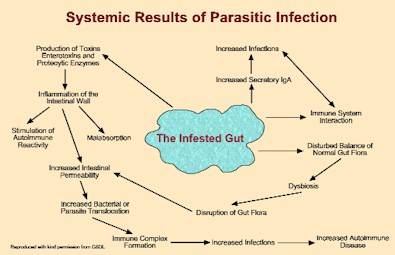
Inflammation, hives, arthritis, low iron, leaky gut have all been associated in the scientific literature with D.fragilis or B.hominis.

It is known that restricting high carbohydrate foods (ie, grains) from our diet helps, as it this parasite - alongside B. hominis - thrive from the carbohydrate chains found in these foods.

Like B.hominis, the answer is to clear the gut of the parasite, using a similar herbal mix which pierces through the mucosal capsule surrounding the capsule and then flushing it out of the intestines. The gut then needs to be repaired using good quality pre- and pro-biotics. Even the herbal remedies for clearing this can cause problems if not prescribed in correct dosages, so it is best to consult a qualified, registered herbalist with experieince treating these and other types of intestinal parasites.

Wednesday, September 26, 2012

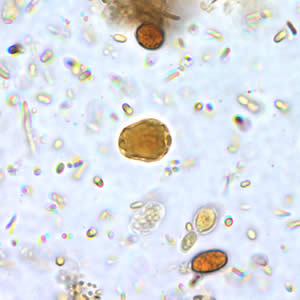
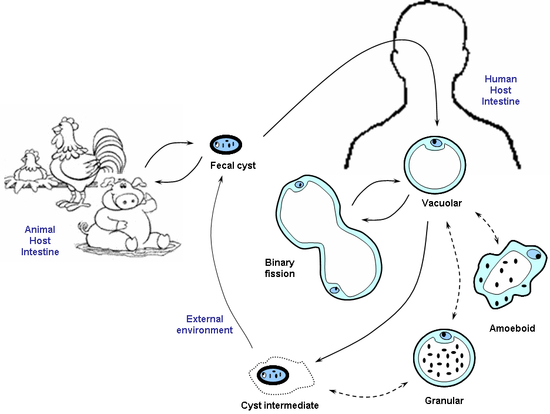
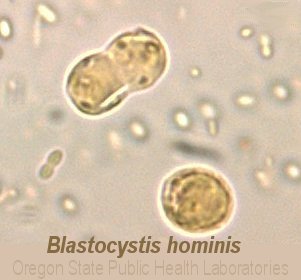
What's bugging your gut, Part 1: Blastocystis hominis


Blastocystis hominis is a small protozoal parasite that lives within the mucus of the large intestine and the colon, sticking to the inner wall, thus making it extremely difficult to get rid of even with extensive medication.

It is transmitted via the faecal-oral route, or from contaminated food or water. Incidence of B.hominis is therefore quite high in developing countries; however the incidence in developed countries is great amongst those with regular exposure to animals.

Part of the problem of this parasite is that many people may have them, but present with no symptoms whatsoever. For the most part, it is thought to not really be a problem in health unless someone later develops a problem with the immune system or the digestive system. The usual signs of infestation include anal itching, diarrhea, excessive flatulence, weight loss, on-and-off abdominal pain/cramps, abdominal distension, bloating and discomfort, constipation, diarrhea, nausea, intense brain fog, very low energy levels, lack of concentration, lack of appetite at times but increased cravings at other times and strangely enough weight gain. Those who suffer from allergies, immune system difficulties, skin problems, and bowel problem should also suspect that B.hominis may be causing problems.


The only true way to determine if the parasite exists in significant numbers in your gut is to get a digestive stool analysis which includes testing for parasites (not all stool testing is the same). These tests usually have a turnaround time of 1-2 weeks, depending on the pathology service.

Whilst mainstream medicine will prescribe strong anti-biotics, this is often found by some patients to be ineffective. There are natural medicine treatments that do work in reducing the severity of the parasite, with treatment protocols that can take 1-2 months.

There are certain Chinese medicine herbs that research has shown to be useful in clearing the gut of these parasites - which, according to traditional Chinese Medicine diagnostic approaches, are also generally indicated for the types of patterns one expects to find with the above signs and symptoms:
  • Huang Lian (Coptidis rhizome)
  • Huang Bai (Phellodendron rhizome)
  • Huang Qin (Scutellaria rhizome)
  • Ya Dan Zi (Brucea seed)


These herbs are all noted to 'clear Damp-Heat & Toxicity', which many of the above signs correlate to, and lack the harsh side-effects that powerful anti-biotics usually have. Some other herbs that are used include Black Walnut and Wormwood, Oregano oil, Thyme oil, and Clove oil. These herbs all need to be prescribed in the correct dose to be truly effective.


Some other treatments known to be effective include:
  • Less/No-grain diet: B.hominis is known to thrive on the the carbohydrates from grains, as well as sugar.
  • Colonic irrigation/enema with herbs that are focussed on killing the parasite.
  • Highly effective fat-digesting enzymes - this parasite is known to be built with fats; the dissolution of fats weaken and kill it.
Once the parasite has been cleared out of the system, we have found that the gut needs repairing, and this is done using specialist probiotics. The course of treatment can be repeated a couple more times, with re-testing to confirm how much of the parasite has been cleared.

There may still be a need for other herbal formulas to treat other aspects of illness/disharmony, and this is where the power of Chinese herbal prescriptions comes into its own, further strengthening and healing the digestive system after B.hominis infestation, and the clearing treatment. Herbal medicine is prescribed for the person, attending to redressing any energic imbalance also.

Patients often remark how the usual milieu of digestive complaints disappear once this parasite is no longer in their digestive tract.


Wednesday, September 19, 2012

Hayfever is here - but it doesn't need to stay!

It's spring time again... and for those who suffer from hayfever, this time of year can be quite annoying, not to mention downright uncomfortable - stuffy noses, itchy, swollen eyes, sore sinuses, constant sneezing, and sometimes a head that feels like it's wrapped in cotton wool!

Of course, chronic sufferers of hayfever can experience this at any time of year, especially if this is an allergic reaction to allergens such as dust mites, fungal spores, animal dander, or fumes. However for those who react adversely to grasses and pollens, the explosion of plant growth at this time of year (coupled with increased winds) can make things particularly difficult for a short period of time.

Hayfever is essentially the triggering of a hyper-stimulated immune system response by the particular offending allergen, usually inhaled. Histamine is released by the cells bound to the antibodies, which then produces the sneezing, itching, and watery eyes. Hence why anti-histamine is normally prescribed to treat the symptoms. These drugs can be effective at first, but come with the side-effects of drowsiness, dizziness, nervousness, and upset stomachs. More importantly, because they don't address the root of the problems (they just suppress the action of histamine, the body's normal immune response to the present of the allergen), the body can develop a tolerance for the drug, thus essentially rendering them ineffective at controlling the symptoms of hayfever.

Chinese Medicine is very good for hayfever, in that practitioners seek to address the root of the problem - building and strnegthening the immune system - whilst also effectively treating the symptoms without any of the unwanted side-effects.

Acupuncture and herbs can have a very immediate effect on reducing the symptoms of hayfever. Acupuncture is best sought 2-3 times a week  for 1-2 weeks. However, if acupuncture is combined with the appropriate herbal medicine, treatment need only be weekly initially. Herbal medicine is particularly good, as it can be taken only when symptoms appear and stopped when they disappear. It is often handy to have these on hand at home, as long as they have been properly prescribed for you.

In chronic situations, the immediate acute attack is treated in the same way, attacking the symptomatic, immediate condition. However in between attacks (and often in-between 'hayfever seasons') is when a practitioner would seek to enahnce and strengthen your immune system and build up your constitution to enable you to withstand attack from the allergen. When chronic hayfever sufferers undergo this kind of treatment, not only does hayfever often become a thing of the past, but there are usually other health benefits, as the body is brought back into balance, possibly leading to better immunity from colds and 'flu's, more energy, and increased general wellbeing.

Of course, preventative measures can also be taken, and if the allergens are known to be things like dust, moulds, or fumes, then we can take steps to eliminate - or reduce as much as possible - the presence of these. If dust is a problem, for example, it would be a good idea to look at what measures can be taken in the home to minmise this: maybe replacing carpet with floorboards? What is the source of the dust? Is there a lot of loose soil outside the windows, or living on a dusty, unsealed road? Do you have pets? Is it their hair, or skin being left everywhere? If you have birds, how often do you clean the cage out? Are the animals left inside? These are the kinds of things to look at in the home (or workplace) to ensure you can minimise the effects of hayfever.

Thursday, June 9, 2011

How to fix your digestion with Chinese medicine.

When a patient arrives to a Chinese Medicine clinic with signs of bloating, loose stool, gas, gurgling in their belly, foggy thinking, cold hands and feet, poor circulation, easy bruising, varicose veins, hemorrhoids, heavy menstrual periods in women, and fatigue they call it ‘Spleen Qi deficiency’.  All of these symptoms, according to Traditional Chinese medicine, relate to poor digestion.  Poor digestion can be caused by: poor eating habits, eating late at night, not eating regularly, over eating, eating too much cold or raw food, drinking with meals, worry, overwork, illness, eating inappropriate foods for your constitution, stress, food allergies and certain medications.

With a weakened digestion, you are not able to effectively absorb all the nutrients in your diet - leading to malnutrition and fatigue. Struggling to digest and process the foods you eat leads to further digestive upset such as abdominal bloating. Without the proper nutrients, your circulatory system and blood vessel integrity can also become weakened – leading to easy bruising, varicose veins and poor circulation. The key to recovery is to strengthen the digestion so that your body can be nourished once again.

Dietary advice for Spleen Qi deficiency is focused on good quality nutrition that is easily digested. Raw food in particular is difficult to digest, as the cell wall of plant material is incredibly tough to penetrate – therefore minimal nutrition is available to us and it passes through as fibre. Cooking vegetables and stewing fruit (in water only - no sugar required!) breaks the cell wall of the plant, making it easier for us to access the nutrients within. As your digestion improves, you can gradually reintroduce small amounts of raw food at the end of a meal – however it can be several months before you reach this stage.

It is also important to avoid any foods that you have an allergy or intolerance to. This reaction does not necessarily have to be an anaphylactic type reaction with throat swelling or eyes puffing up, but can also be a reaction that happens at more of a micro level. Food intolerances are immune responses that occur typically as a result of increased intestinal permeability (sometimes called “leaky gut”).  Chronic inflammation in the gut wall leads to increased permeability, essentially the gaps that would normally let through digested proteins (called amino acids) are enlarged due to the inflammation and this allows some proteins to make it through your intestine wall and into the blood stream before they have had a chance to be broken down into an acceptable format. Your body then identifies the food protein as a foreign protein substance that shouldn’t be there and launches and immune response. With repeat exposure to the same food this immune response solidifies so that your body reacts on each exposure to that food.

 It can be especially worthwhile to test for reactions to common allergens such as wheat, gluten and dairy products, this can be done by avoiding all possible sources for at least 2 weeks, and then reintroducing and checking for re-emergence of symptoms.

However the fastest and most accurate way to find out which foods your body is sensitive or intolerant to is to do an IgG Food Sensitivity Test. The IgG food sensitivity test is a blood test that detects antibodies that your body has developed against certain foods. You may have an allergen to foods like, corn, eggs, certain nuts, or yeast. It is very difficult to ascertain our allergens to these types of foods, as they are hidden in so many processed foods that we eat, and we may not know when we are eating them.

Removing foods that you have an IgG reaction to can help to alleviate symptoms associated with exposure. Common symptoms include:
-    constipation
-    loose bowels/diarrhea
-    abdominal pain/cramping
-    bloating
-    fatigue
-    low mood/fluctuating mood
-    skin conditions

This IgG food intolerance test can be ordered through practitioners at our clinic, Discover Chinese Medicine.

Anti-Candida Protocol

Going on the Anti-Candia protocol is a great way to boost digestion, even if you do not have Candida. For those with tiredness or other Candida type symptoms you should follow this diet for the next 20 days. Avoid the following foods and ingredients as strictly as possible:

•    Alcohol
•    Sugar (check labels!!)
•    Yeast
•    Cheese
•    Fermented products including miso, tofu and other soy products, vinegar etc
•    Mushrooms
•    Gluten grains (wheat, rye, oats, barley)
•    Processed foods, non-organic produce
•    Fruit


Avoiding these foods will limit the energy source for fungal overgrowths and allow the body a chance to restore balance.  At the end of the 20 day period, you can resume your normal diet. Reintroduce foods slowly, one group per day, and keep an eye out for negative reactions. It may be the case that you need to avoid these foods for longer.

Candex is a herbal formula that DiscoverTCM prescribes that combines ingredients to fight fungal infection and restore a natural balance of flora to the digestion and vaginal areas. This will help stubborn cases.

If you have any questions, please don’t hesitate to contact the clinic. Good luck!

General Principles for Eating to boost digestion:

    Absolutely avoid all raw food including salads. Salads using steamed vegetables are ok in warm weather.
    All foods to be cooked and eaten warmed, long slow cooking, soups, broth & stews are idea.
    Chew all food thoroughly to help reduce the strain on your digestion
    Simple combinations of a few ingredients,
    Smaller meals more often,
    Regular meal times
    No excess fluid with meals, overeating, missing meals or eating while working.
    Avoid food that is more than one day old. 

Increase protein intake, the best source of protein is animal protein, especially organic chicken (soups and stock), and green leafy vegetables are high in Iron content.  In vegetarian diets folic acid and Vit B12 can be taken as supplements.

Beneficial foods:

Light grains especially white rice and rice porridge (congee), oats, roasted barley, sweet rice, pumpkin, sweet potato, celeriac, squash, carrot, corn, parsley, chickpeas, black beans, yam, peas, walnuts, stewed fruit, chicken, beef, lamb, liver, kidney, tuna, mackerel, anchovy.

Moderate amounts of spices:  Onion, leek, garlic, turnip, pepper, fresh ginger, cinnamon, nutmeg, fennel and other kitchen spices.

Small amounts of natural sweeteners:  Molasses, dates, rice syrup, barley malt & palm sugar.

Restrict or avoid:
Uncooked, raw foods, salads, raw fruit (whole and juiced), wheat, sprouts, and cereal grasses, raw vegetables, tomato, spinach, tofu, millet, seaweeds, salt, too many sweet foods and concentrated sweeteners, brown rice, Vitamin C (over 1-2g per day). No yeast.

Especially avoid ice cream and dairy (except a little butter and yogurt), sugar, chocolate, nuts and seeds (except walnuts) and nut butters, spicy food, large amounts of black pepper.

Friday, December 17, 2010

Chronic Fatigue Part 1


There are no bio-medically defined known causes for Chronic Fatigue Syndrome  (CFS), however there is much than can be looked at and many ways it can be treated, and all cases are different and must be treat that way.

Chronic Fatigue is more than just “burnout”. Factors which can effect CFS are environmental stress and toxicity, food additives, adrenal fatigue,  long term emotional or financial stress, and as the syndrome is also commonly  known as ‘post-viral fatigue syndrome’, it is also caused by a compromised immune system, which may be due to the above.


Food sensitivities or intolerances.

Additives that may be creating Chronic fatigue In your body could be: Artificial colours, natural colour, preservatives, synthetic antioxidants, Flavour enhancers, Natural food Chemicals

Not only are the fast, ready-made foods that feature in today’s diet making us sick, but additives are now used in healthy foods such as bread, butter, yoghurt, juice or muesli bars as well as in junk food. It is hard to tell what is really good for us!

Reactions to food additives are related to dose, so the more you eat, the more likely you are to be affected. A British survey in 2007 found that:
·         most consumers underestimate how many additives they eat
·         the average consumer eats 20 additives per day (19 if foods are home-cooked)
·         most consumers don't know which foods contain additives.


For more information: www.fedupwithfoodadditives.info.