Showing posts with label children. Show all posts

Monday, August 6, 2012

Infants & Eczema

Eczema is a non-infectious inflammatory skin disorder which is relatively common in Australia, thought to be found in 1 in 3 Australians. It is often diagnosed as dermatitis as the signs and symptoms are thought to be similar. The most common form found is atopic eczema, where the skin becomes red, dry, itchy and scaly and causes much discomfort for the sufferer; it can also present as weeping, although this presents more in sub-acute and chronic cases. Eczema usually begins in childhood, somewhere between 2-6 months, and most children grow out of it by the age of six, thus being quite prolific amongst children, with an estimated 1 in 5 children having atopic eczema by the time they start pre-school.

It's bad enough to suffer from this as an adult, but it can also be quite nasty for an infant, as they have no way of uderstanding the discomfort, or even able to communicate that discomfort - thus putting a lot of stress and anxiety on parents as they struggle to comfort their baby. Infants and toddlers usually show therash on their face, elbows, and knees, but is not necessarily confined to there, depending on the severity. The complication for seriousc ases is that the lesions can become infected.

Eczema is linked with a family history of asthma, hayfever, or eczema, and with reactions to certain foods such as dairy, wheat, citrus, eggs, nuts, and seafoods. However irritants such as chemicals and tobacco-smoke, allergens such as house-dust mites, moulds, pollen, and soaps can also cause flare-ups. Even the weather, or air-conditioning can irritate the skin into developing the eczema rash.

If there is a family history of asthma or eczema, mums-to-be are strongly advised to breast-feed babies exclusively for at least six months, with no additions of formula or cow's-milk. If there is an issue with breast-feeding and formula-feeding is required, there are formulas out there which have been developed specifically for babies with allergies, and will need to be discussed with a paediatrician, maternal/child health nurse, and your pharmacist. Of course, breast-feeding issues are always common, which a qualified lactation consultant or Chinese Medicine practitioner are able to help you with.

Adjusting your diet whilst breast-feeding can also help - anything mum eats, baby eats too! Generally speaking, patients with eczema should avoid sugar, sweets, and any 'fermented' foods (including yeast). Foods should be cooked (not raw), warm, and 'clear'. Lots of fresh green vegetables and soups and broths full of nourishing ingredients. Grains should be avoided, or at least kept to an absolute minimum. Alcohol, coffee and tea are also something that should be avoided. Anticandidal and hypoallergenic diets are beneficial. So for breast-feeding mothers should also look at eating this way, as it is passed on through the breast-milk. The digestive system in infants plays a pivotal role, as children are born with an inherent digestive weakness - hence why breast-milk is so important, as it is the only thing they can digest (it is considered 'warm and clear'). When digestion is weak, it can lead to many types of illnesses. The skin is the outermost layer of the body, but the quality of it shows a Chinese Medicine practitioner what is occurring on the inside.

Chinese herbal medicine has been shown to be quite effective at relieving the symptoms, and there are known medicinals to treat both the weeping "wet" type of eczema, or the dry, scaly form. As with most issues, Chinese Medicine practitioners assess the individual and make a diagnosis according to pattern, so there are no 'one-size-fits-all' treatment. Herbal formulas can be administered to an infant using a small syringe, or if that is difficult, the mother can take the medicine, with its effects being passed on through the breast-milk. There are also probiotic formulas available which aid the digestive tract by rebuilding beneficial gut flora. Dermatology texts also describe poultices, washes, and powders made from certain herbal combinations; these are designed t alleviate the itch and settle the more annoying symptoms at the skin level. When using any skin creams, be very careful as to the ingredients - oil-based products can make the condition worse, as could various chemicals; natural and organic substances are best. Infants' skin is very sensitive, and if you wouldn't put that stuff in your mouth, then chances are you wouldn't rub it onto your baby's skin!
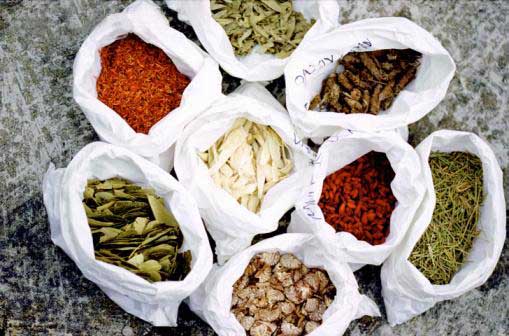
There are also teas which can be made at home that can help with eczema, using ingredients such as Job's Tears (Pearl) barley, corn-silk, azuki beans, mung beans, or dandelion. Choose 2-3 of these ingredients and place in a pot of water and boil for about 10 minutes, then administer (cooled down of course) to the child.

Eczema doesn't have to be something that one has to live with, or suffer from. As mentioned above, in most cases of childhood eczema, it is self-limiting and the child will grow out of it. However there are the cases where it will become chronic. Treating it early, and beginning to make dietary changes to improve the health of the gut will ultimately lead to better results down the track!

Wednesday, June 20, 2012

Kids & Coughs

Coughing is something that all children experience when they ‘catch a cold’, and sometimes it can be most distressing for parents. Usually, a child will experience severe coughing fits at night whilst they - and everyone else - are trying to sleep.

Whilst it can be an inconvenience for the busy, modern parents, the best thing for children is to be kept home from school and allow the body’s own natural healing process to take place, but more importantly it also means that a child won’t ‘share’ their illness with all their classmates; the common cold - or upper respiratory tract infection - is probably the most common cause for school absence.

Paediatrics as a specialist medicine was really developed during the Song dynasty period in China, around the 11th Century. The understanding that children required something slightly different to adults led to the development of specific massage (tui-na) and acupuncture techniques, as well as paediatric herbal formulas. Children are understood to be inherently more yang - as this is the period of phenomenal growth and development, which requires an abundance of Qi and yang-energies. This also means that there is a relative deficiency of yin, and so this constitutional factor needs to be taken into account when developing treatments for children. Their immune systems are also considered inherently weaker, as they are still in the process of developing fully, and so tend to get sicker easier and quicker; the upshot to that is that they also get better quicker than adults too! As with adults, and congenital factors also need to be taken into account.

There are some key things to look out for, and let your practitioner know about which assist in determining the correct treatment. What does the cough sound like - is it a strong, loud barking cough; or a weak, quiet one? Is it dry? If there is phlegm, is it coming up easily? What colour is the phlegm? Is the throat sore? Is there a headache? Is there a fever? Is the child sore? Is there any nasal mucus, and if so what colour is it? How long has the cough been going for?

Chinese herbal medicine is particular good for this kind of ailment, but it is also useful to be combined with a session of acupuncture and/or massage. Most children may not be keen on having acupuncture needles stuck in them, which is why massage that stimulates the same points and channels can be better in these situations. The other benefit of taking your child into seeing a Chinese Medicine practitioner is so they can assess the nature of the condition and guide you to what needs to be done.

With getting your child to take medicine, I find that using a syringe (around 10ml) is useful, as it also turns the taking of the medicine into a kind of game - they get to squeeze the syringe themselves, thus also teaching them (in a subtle manner) about taking responsibility for their own health. It also means the medicine will get through and bypassing most of the taste buds! When coughing is the main complaint, I will often combine the medicine with a herbal cough syrup - usually containing honey - which will sweeten the flavour somewhat. There are quite a few good herbal cough syrups that are available from most Asian grocery stores as well as Chinese Medicine dispensaries.
 

And there is plenty that a parent can do at home to speed up recovery. Dietary therapy is of particular importance for all kinds of paediatric illnesses, due to the undeveloped nature of the child’s digestive system. Teas are very useful for treating the common cold, and particularly so for a cough and a sore throat. The types of teas are again dependant on which pattern of illness your child presents with. ‘Heat’ patterns need to be treated with ‘cool’ teas, foods, and herbs, while ‘cold’ patterns need the opposite. If the Lungs are dry (distinguished by a dry cough), they need moistening; whilst the presence of phlegm suggests the use of substances that will ‘dry up’ the mucus.

Another useful method is massaging the child’s chest with some Tiger Balm when they go to bed. Tiger Balm is said to help promote the movement of Qi and disperse the Qi-stagnation in the Lungs. The smell of the camphor can also help clear the nasal passages, allowing the child to breathe easier through their nose, thus reducing the need to breathe through their mouth, where pathogens lodge in the throat (the first signs of a cold are usually the distinctive sore throat and blocked nose). Baby-boomers may remember having camphor pinned to their undergarments to prevent getting sick; dabbing a spot of Tiger Balm behind the ears and on the throat is used for the same reason.

Here is our family recipe for Chicken Soup - it’s what we were always given when we were sick growing up. It provides nourishment (Qi) to help keep the body strong and fight infection. And it tastes wonderful, and kids love it! Enjoy....

“Avgolemono” - Chicken soup with egg & lemon

Ingredients
1x whole chicken - free-range or organic
1x carrot
1x stick celery
1x onion
pepper & salt

1x cup rice
2-3x free-range/organic eggs
3-4x lemons

20-30g sliced Huang Qi (Astragalus radix) - available from all good Asian grocers. This is optional.

Method
In a large pot of water, bring to the boil the chicken, carrot, celery, onion, and salt/pepper. Boil for 1 hour. If using the Astragalus root, stuff it into the cavity of the chicken.
After this time, remove the vegies & the chicken (carefully) and place in an oven tray. The chicken can be roasted, to provide a second meal, thus getting value for money!

Add the rice to the broth, and boil until rice is ready.
Whilst the rice is cooking, beat the eggs and the juice of the lemon together in a large bowl. When the rice is cooked, turn off heat, and begin to slowly ladle the liquid (not the rice) into your egg/lemon mixture, and continue to beat to create a fluffy mixture. The purpose of this is to slowly bring the egg/lemon mixture to the same temperature as the soup, so the egg will not curdle. Keep ladling soup into the bowl until it feels the same temperature as the soup pot. Then transfer this back into the soup pot. Add salt/lemon juice to taste (if necessary). Serve with some ground pepper.


Friday, October 21, 2011

Constipation in Babies and Children

Aetiology
There are many causes of constipation:
-    overeating
-    irregular eating times
-    weaning the child too early
-    stress
-    not drinking enough water
-    eating ice-cold foods
-    drinking ice-cold drinks

Treatment of Constipation
-    regular meal times without snacks
-    avoiding frozen foods like ice-cream
-    drinking room temperature water instead of chilled water
-    reduce cold-energy foods
-    eat more foods that are easy to digest and lubricate the intestines

Foods to Lubricate the Intestines (avoid if bowels are loose or poorly formed)
-    bananas
-    nuts and seeds
-    prune juice
-    fig syrup
-    apples, pears, oranges, plums, cucumber, mung beans, tomatoes,

Foods to Avoid
-    ice-cream, frozen yoghurt, icy poles (except very hot days 35 degrees +)
-    reduce the amount of high protein foods (eggs, meat) that exacerbate constipation
-    spices, fried or grilled foods, fatty and rich foods

Friday, December 10, 2010

After Birth Care with Traditional Medicine

After Birth Care

Asian Cultures always avoid allowing their bodies to be exposed to cold. Perhaps our Grandmothers told us not to wear midriff tops as it injures the kidneys, and maybe being modern women, we have considered this type of advice to be old wives tales and thought nothing of it. However in China today, expectant mothers, pregnant mothers and especially new mums are kept well away from the cold, and are advised to do so not just by their culture but in the hospitals as well.  

The most important organ and meridian for conception according to Chinese medicine are the Kidneys. In relation to the other organ networks, the kidney is situated in the lowest position. Therefore has a large role to play in the function of the sexual organs, and sex drive. The kidney is the source of the human body, and the initial sprout of physical life in conception. Thus it is paramount that the mother and father to be have strong Kidneys.

The kidneys are thought of as the ocean of the human body.  As oceans are situated on a lower level than the earth's streams and rivers, they draw every one of them to form one large body of water. So the kidneys rely on the strength of all other organs to support them, so they can then in turn nourish all other organs and the brain. Oceans may appear vast and inexhaustible, yet they still drain off some of their seemingly unlimited supply. The Kidneys can become drained from stress, cold invasion, birthing many children and sadly to say too much sex!

How much sex is too much sex? It depends on your age. As a guide line, under 25 years of age: 4/5 x a week should not damage the Kidneys, as the Kidneys are robust when we are young. However as we age our Kidneys vitality also ages and we must reduce our sexual activities, especially men upon ejaculation.  From ages 25 – 30: 4  x a week, 30 – 35: 3 x a week, ect. This is a round about number, and is to be used as a guide line, just so people understand that as good as sex is, it is also draining when practiced too much.

Those who are knowledgeable in the art of nourishing life take care to shut off the lower exit, in the case of men, reducing the amount they ejaculate. However to generally protect the Kidneys we can protect the end point of the kidney channel at the foot, by doing this we mean; keep your feet warm! When cold enters the Kidneys it depletes the Kidneys Yang qi, or the fire of the Kidneys.

When we protect and shut off the lower exit there will be a nourishing cycle that is free of leaks. This will mean that the Kidneys can become robust and strong. When this happens there will be physical and mental clarity, constitution and fertility will be strong, and your body’s temperature will regulate. The art of longevity is all about the strength of the Kidneys.

As said above, for the kidneys to function properly they need to stay warm. When cold invades into the channel or the organ, the Kidney strength becomes depleted. This creates problems like; feeling chronically cold, low libido, chronic fatigue and also infertility issues with either conceiving or miscarrying, a  damaged digestion and therefore metabolism problems (weight gain), lowered immunity, slowed blood circulation, and can prevent the body from holding organs in their right place (prolapse), that includes babies (miscarriage), increases the effects of aging, and can cause either constipation or serious urinary and fecal incontinence after birth, uterine over bleeding after birth and consequently if the yang is not treated, then over bleeding in later menstrual periods and subsequent deliveries.

Cold stops the movement of qi and blood, which then creates stagnation and eventually pain. Cold can easily get trapped in the womb, causing painful periods in the future and cause numbness during sex, loss of the ability to orgasm and stunt libido completely.

Preventing cold from entering the body would mean that NO cold packs should be used during labor, either to numb pain or to placed on the perineum right after birth to reduce swelling and pain in that area right after delivery.

Keeping your feet warm means if your toes feel cool, then they are cold and you need to put another layer of sox on, or some boots. In winter always wear sox and shoes, no open toed shoes, slip on’s and especially no thongs. If your feet are still cold with boots on then order some magnetic inner soles.  At home always keep your feet warm, no bare feet in winter, always wear slippers or ugg boots, especially on cold tiles.

We must also keep the area of the uterus warm, especially after birth. During a womans birthing experience, either vaginal or Caesar, the woman’s internal body opens itself up to the external world, making the body vulnerable to external cold invasion. To prevent more cold from entering the body after your fatigued from birth (and generally, always and forever more) wear tops that you can tuck in, so you can keep your abdomen and lower back warm.

Do not eat or drink beverages that are cold in temperature, especially in winter. That means drinks straight from the fridge and any drinks with ice. Always heat up your meals. No raw foods in winter, and minimise raw foods throughout the entire year so that you always are eating at least 85% cooked foods. If you are going to eat raw foods always eat it at an end of a meal.

Panadol and antibiotics are both cold medicines and can damage yang. Where possible try to avoid these medications. If it is necessary to take these medications, try and keep yourself extra warm, and drink lots of hot tea.

You can also deplete your Yang qi by over working yourself, exhaustion and insufficient rest.  It is important as a mother to a young baby that you don’t over exert your energy, as you will be doing enough by recovering from labor, making breast milk and having many sleepless nights.

Try and organise a family member or some friends to come and bring you some cooked meals for the first dew weeks after birth so you can just concentrate on breast feeding. Try and organize before the birth as much support for yourself as possible. You may even want to hire a house cleaner to come in for a few hours every week or fortnight for the first three months.

CHINESE MEDICINE FOR NEWBORNS AND NEW MUMS

Chinese medicine is perfect not only for the mother to be, but can help tremendously for the issues that may arise in the first few months after birth. Chinese medicine can treat:

For the Mum: Insufficient milk, Mastitis, Depression, Constipation, Headache and Fatigue

For your Baby: Constipation, Diarrhea, Colic, Restlessness, Sleeplessness, Not feeding properly, Rash.

We can also work with your new born through the immunization process if you choose to immunize, by helping their small bodies clear out the heavy metals that are used as preservative in immunization injections.