Showing posts with label candida. Show all posts

Monday, August 6, 2012

Infants & Eczema

Eczema is a non-infectious inflammatory skin disorder which is relatively common in Australia, thought to be found in 1 in 3 Australians. It is often diagnosed as dermatitis as the signs and symptoms are thought to be similar. The most common form found is atopic eczema, where the skin becomes red, dry, itchy and scaly and causes much discomfort for the sufferer; it can also present as weeping, although this presents more in sub-acute and chronic cases. Eczema usually begins in childhood, somewhere between 2-6 months, and most children grow out of it by the age of six, thus being quite prolific amongst children, with an estimated 1 in 5 children having atopic eczema by the time they start pre-school.

It's bad enough to suffer from this as an adult, but it can also be quite nasty for an infant, as they have no way of uderstanding the discomfort, or even able to communicate that discomfort - thus putting a lot of stress and anxiety on parents as they struggle to comfort their baby. Infants and toddlers usually show therash on their face, elbows, and knees, but is not necessarily confined to there, depending on the severity. The complication for seriousc ases is that the lesions can become infected.

Eczema is linked with a family history of asthma, hayfever, or eczema, and with reactions to certain foods such as dairy, wheat, citrus, eggs, nuts, and seafoods. However irritants such as chemicals and tobacco-smoke, allergens such as house-dust mites, moulds, pollen, and soaps can also cause flare-ups. Even the weather, or air-conditioning can irritate the skin into developing the eczema rash.

If there is a family history of asthma or eczema, mums-to-be are strongly advised to breast-feed babies exclusively for at least six months, with no additions of formula or cow's-milk. If there is an issue with breast-feeding and formula-feeding is required, there are formulas out there which have been developed specifically for babies with allergies, and will need to be discussed with a paediatrician, maternal/child health nurse, and your pharmacist. Of course, breast-feeding issues are always common, which a qualified lactation consultant or Chinese Medicine practitioner are able to help you with.

Adjusting your diet whilst breast-feeding can also help - anything mum eats, baby eats too! Generally speaking, patients with eczema should avoid sugar, sweets, and any 'fermented' foods (including yeast). Foods should be cooked (not raw), warm, and 'clear'. Lots of fresh green vegetables and soups and broths full of nourishing ingredients. Grains should be avoided, or at least kept to an absolute minimum. Alcohol, coffee and tea are also something that should be avoided. Anticandidal and hypoallergenic diets are beneficial. So for breast-feeding mothers should also look at eating this way, as it is passed on through the breast-milk. The digestive system in infants plays a pivotal role, as children are born with an inherent digestive weakness - hence why breast-milk is so important, as it is the only thing they can digest (it is considered 'warm and clear'). When digestion is weak, it can lead to many types of illnesses. The skin is the outermost layer of the body, but the quality of it shows a Chinese Medicine practitioner what is occurring on the inside.

Chinese herbal medicine has been shown to be quite effective at relieving the symptoms, and there are known medicinals to treat both the weeping "wet" type of eczema, or the dry, scaly form. As with most issues, Chinese Medicine practitioners assess the individual and make a diagnosis according to pattern, so there are no 'one-size-fits-all' treatment. Herbal formulas can be administered to an infant using a small syringe, or if that is difficult, the mother can take the medicine, with its effects being passed on through the breast-milk. There are also probiotic formulas available which aid the digestive tract by rebuilding beneficial gut flora. Dermatology texts also describe poultices, washes, and powders made from certain herbal combinations; these are designed t alleviate the itch and settle the more annoying symptoms at the skin level. When using any skin creams, be very careful as to the ingredients - oil-based products can make the condition worse, as could various chemicals; natural and organic substances are best. Infants' skin is very sensitive, and if you wouldn't put that stuff in your mouth, then chances are you wouldn't rub it onto your baby's skin!
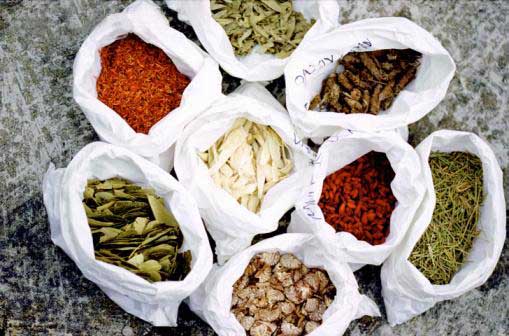
There are also teas which can be made at home that can help with eczema, using ingredients such as Job's Tears (Pearl) barley, corn-silk, azuki beans, mung beans, or dandelion. Choose 2-3 of these ingredients and place in a pot of water and boil for about 10 minutes, then administer (cooled down of course) to the child.

Eczema doesn't have to be something that one has to live with, or suffer from. As mentioned above, in most cases of childhood eczema, it is self-limiting and the child will grow out of it. However there are the cases where it will become chronic. Treating it early, and beginning to make dietary changes to improve the health of the gut will ultimately lead to better results down the track!

Wednesday, July 18, 2012

Eating our way out of our mood swings


There is a link between our mood and blood-sugar which is well known. With diabetes on the rise, the dangers of drops in blood-sugar and how to deal with them are now being taught in First Aid courses, describing the tell-tale signs of mood swings and irritability linked with long periods of not eating. The more serious symptoms include seizures, and unconsciousness (and in extreme cases, death!).

One does not need to be diabetic to suffer from lowered-blood sugar, nor from the shakiness and irritability associated with lowered blood-sugar - when there is no detectable reduction in blood-sugar, it is usually associated with the drop in energy a few hours after a meal. The usual symptoms are shakiness, a general sense of weakness, altered mood, confusion, fatigue, anxiety, a pale complexion, abnormal sweating, an increased pulse rate, and hunger.
It's not just the food we eat, but also the type of bugs (good and bad) that live in the digestive tract, that can affect mood. The evidence for the wider implications for gut bacteria affecting the nervous system is slowly growing, with disorders of these microbes being linked with medical conditions such as obesity and inflammatory bowel disease. There is also growing speculation and research into the link with the state of the gut flora and its effect on mood.

In Chinese Medicine, the health of the digestive system is associated with the organ-systems of the Spleen and the Liver. The digestive system is one of the main parts of the body where vital energy (Qi) is produced, however if a person is tired, run down or has weakened digestive function, their Qi will become depleted because of an impaired ability to absorb nutrients and energy from food. A lack of Qi puts strain onto the liver and creates symptoms of anger and frustration. When the qi is lacking, soon to follow is a deficiency of a nutritive substance called Xue (roughly translates to blood),  because the poorly functioning digestive system (Spleen) is not absorbing and distributing the basic building blocks of Blood from the diet. Blood in Chinese Medicine has a large role in housing the Shen (spirit, or Mind), so if the Blood becomes depleted, the mind lacks the support and grounding it needs. This can leave people feeling easily overwhelmed, easily brought to tears, or feeling generally unsettled and out of sorts. People who suffer from mood swings can fluctuate between the symptoms of depleted blood and constrained qi - feeling tired and cranky when you're hungry, or being driven to emotional eating when upset. Common symptoms of a weak digestion - not necessarily a problem that is fixed by antidepressants or a nice relaxing holiday.
The key in fixing these very common types of mood fluctuations is in looking after the health of the digestive system. Ensuring that the diet provides the foundational building blocks required to function on a daily basis is a good start. What we eat is going to make a difference not just to the energy to move our physical bodies, but also to maintain psychological and emotional wellbeing. A substantial quantity of good quality green vegetables is vital (3-6 cups per day). A good healthy dose of ‘good fats’, so that we can produce cholesterol and maintain a healthy endocrine system. Because hormones like estrogen and testosterone have a role to play in disorders such as depression, eating dietary fat that converts to hormones is important.

The quality of the Blood/Xue depends on vital minerals and vitamins, such as Vitamin B, D, C, and zinc, calcium, and magnesium. The state of the gut flora needs to be protected, and clearing nasty bacteria, parasites and yeasts such as candida and others, while re-building good flora with the use of probiotics can greatly improve the health of our digestion.

Get serious and cut down on the amount of sugar you consume, as this is what will ‘damage the Spleen’ and therefore damage digestion and the production of Qi. A routine of regular, gentle exercise that moves Qi and Blood, such as walking, Yoga, or Tai-chi is also useful. At the same time, looking after the nervous system by eliminating or minimising exposure to serious stressors such as "general life stress", chemical toxicity, emotionally toxic people, and changing your inner emotional landscape to look more like the hills from the sound of music, rather than a wartorn battlefield. Strategies to help reduce stress can be enhanced by learning to meditating, learning how to relax, and maintaining regular sleeping patterns.


Of course, your Chinese Medicine practitioner can prescribe herbal medicines, acupuncture and tailored advice to you so that you can really quickly regain balance in your mood and in your mind. Once you achieve harmony, it's much easier to maintain it using these strategies listed above.
In these ways, it is possible to maintain the health of the physical, emotional and mental aspects of ourselves.

Thursday, June 9, 2011

How to fix your digestion with Chinese medicine.

When a patient arrives to a Chinese Medicine clinic with signs of bloating, loose stool, gas, gurgling in their belly, foggy thinking, cold hands and feet, poor circulation, easy bruising, varicose veins, hemorrhoids, heavy menstrual periods in women, and fatigue they call it ‘Spleen Qi deficiency’.  All of these symptoms, according to Traditional Chinese medicine, relate to poor digestion.  Poor digestion can be caused by: poor eating habits, eating late at night, not eating regularly, over eating, eating too much cold or raw food, drinking with meals, worry, overwork, illness, eating inappropriate foods for your constitution, stress, food allergies and certain medications.

With a weakened digestion, you are not able to effectively absorb all the nutrients in your diet - leading to malnutrition and fatigue. Struggling to digest and process the foods you eat leads to further digestive upset such as abdominal bloating. Without the proper nutrients, your circulatory system and blood vessel integrity can also become weakened – leading to easy bruising, varicose veins and poor circulation. The key to recovery is to strengthen the digestion so that your body can be nourished once again.

Dietary advice for Spleen Qi deficiency is focused on good quality nutrition that is easily digested. Raw food in particular is difficult to digest, as the cell wall of plant material is incredibly tough to penetrate – therefore minimal nutrition is available to us and it passes through as fibre. Cooking vegetables and stewing fruit (in water only - no sugar required!) breaks the cell wall of the plant, making it easier for us to access the nutrients within. As your digestion improves, you can gradually reintroduce small amounts of raw food at the end of a meal – however it can be several months before you reach this stage.

It is also important to avoid any foods that you have an allergy or intolerance to. This reaction does not necessarily have to be an anaphylactic type reaction with throat swelling or eyes puffing up, but can also be a reaction that happens at more of a micro level. Food intolerances are immune responses that occur typically as a result of increased intestinal permeability (sometimes called “leaky gut”).  Chronic inflammation in the gut wall leads to increased permeability, essentially the gaps that would normally let through digested proteins (called amino acids) are enlarged due to the inflammation and this allows some proteins to make it through your intestine wall and into the blood stream before they have had a chance to be broken down into an acceptable format. Your body then identifies the food protein as a foreign protein substance that shouldn’t be there and launches and immune response. With repeat exposure to the same food this immune response solidifies so that your body reacts on each exposure to that food.

 It can be especially worthwhile to test for reactions to common allergens such as wheat, gluten and dairy products, this can be done by avoiding all possible sources for at least 2 weeks, and then reintroducing and checking for re-emergence of symptoms.

However the fastest and most accurate way to find out which foods your body is sensitive or intolerant to is to do an IgG Food Sensitivity Test. The IgG food sensitivity test is a blood test that detects antibodies that your body has developed against certain foods. You may have an allergen to foods like, corn, eggs, certain nuts, or yeast. It is very difficult to ascertain our allergens to these types of foods, as they are hidden in so many processed foods that we eat, and we may not know when we are eating them.

Removing foods that you have an IgG reaction to can help to alleviate symptoms associated with exposure. Common symptoms include:
-    constipation
-    loose bowels/diarrhea
-    abdominal pain/cramping
-    bloating
-    fatigue
-    low mood/fluctuating mood
-    skin conditions

This IgG food intolerance test can be ordered through practitioners at our clinic, Discover Chinese Medicine.

Anti-Candida Protocol

Going on the Anti-Candia protocol is a great way to boost digestion, even if you do not have Candida. For those with tiredness or other Candida type symptoms you should follow this diet for the next 20 days. Avoid the following foods and ingredients as strictly as possible:

•    Alcohol
•    Sugar (check labels!!)
•    Yeast
•    Cheese
•    Fermented products including miso, tofu and other soy products, vinegar etc
•    Mushrooms
•    Gluten grains (wheat, rye, oats, barley)
•    Processed foods, non-organic produce
•    Fruit


Avoiding these foods will limit the energy source for fungal overgrowths and allow the body a chance to restore balance.  At the end of the 20 day period, you can resume your normal diet. Reintroduce foods slowly, one group per day, and keep an eye out for negative reactions. It may be the case that you need to avoid these foods for longer.

Candex is a herbal formula that DiscoverTCM prescribes that combines ingredients to fight fungal infection and restore a natural balance of flora to the digestion and vaginal areas. This will help stubborn cases.

If you have any questions, please don’t hesitate to contact the clinic. Good luck!

General Principles for Eating to boost digestion:

    Absolutely avoid all raw food including salads. Salads using steamed vegetables are ok in warm weather.
    All foods to be cooked and eaten warmed, long slow cooking, soups, broth & stews are idea.
    Chew all food thoroughly to help reduce the strain on your digestion
    Simple combinations of a few ingredients,
    Smaller meals more often,
    Regular meal times
    No excess fluid with meals, overeating, missing meals or eating while working.
    Avoid food that is more than one day old. 

Increase protein intake, the best source of protein is animal protein, especially organic chicken (soups and stock), and green leafy vegetables are high in Iron content.  In vegetarian diets folic acid and Vit B12 can be taken as supplements.

Beneficial foods:

Light grains especially white rice and rice porridge (congee), oats, roasted barley, sweet rice, pumpkin, sweet potato, celeriac, squash, carrot, corn, parsley, chickpeas, black beans, yam, peas, walnuts, stewed fruit, chicken, beef, lamb, liver, kidney, tuna, mackerel, anchovy.

Moderate amounts of spices:  Onion, leek, garlic, turnip, pepper, fresh ginger, cinnamon, nutmeg, fennel and other kitchen spices.

Small amounts of natural sweeteners:  Molasses, dates, rice syrup, barley malt & palm sugar.

Restrict or avoid:
Uncooked, raw foods, salads, raw fruit (whole and juiced), wheat, sprouts, and cereal grasses, raw vegetables, tomato, spinach, tofu, millet, seaweeds, salt, too many sweet foods and concentrated sweeteners, brown rice, Vitamin C (over 1-2g per day). No yeast.

Especially avoid ice cream and dairy (except a little butter and yogurt), sugar, chocolate, nuts and seeds (except walnuts) and nut butters, spicy food, large amounts of black pepper.